Direct answer
A polypropylene food container should not be described as universally “microwave safe” simply because its resin is PP. Suitability depends on the finished container, lid material, food type, temperature, heating time and intended conditions of use. The U.S. Food and Drug Administration evaluates food-contact substances using migration and toxicological information tied to intended use, while also warning that some plastic containers can melt from the heat of food in a microwave. A professional buyer should therefore verify the exact SKU, base and lid separately, review supporting food-contact documentation, and test the selected packaging with the actual menu application.
Key takeaways
- Resin identification is not a complete microwave-use claim.
- The container base and lid may have different materials and use limits.
- Hot, oily, acidic and high-sugar foods can create different exposure conditions.
- “Microwave suitable” should be supported for the exact SKU and intended use.
- A visible no-deformation test is useful, but it is not a substitute for applicable documentation.
What does “microwave safe” need to describe?
The phrase should answer a practical question: can this finished food-contact article be used under specified microwave conditions without unacceptable deformation or migration? FDA describes a food-contact article as the finished tray, bottle, film or other object that contacts food. FDA’s food-packaging framework considers how much of a substance may migrate to food under its intended use and the resulting exposure.
For buyers, that means the commercial claim needs more detail than “made of PP.” At minimum, the specification should identify the exact item, whether the lid remains on or is vented/removed, food condition, evaluated temperature and duration, intended reuse condition, and the applicable declaration, test report or regulatory basis.
Why the base and lid must be checked separately
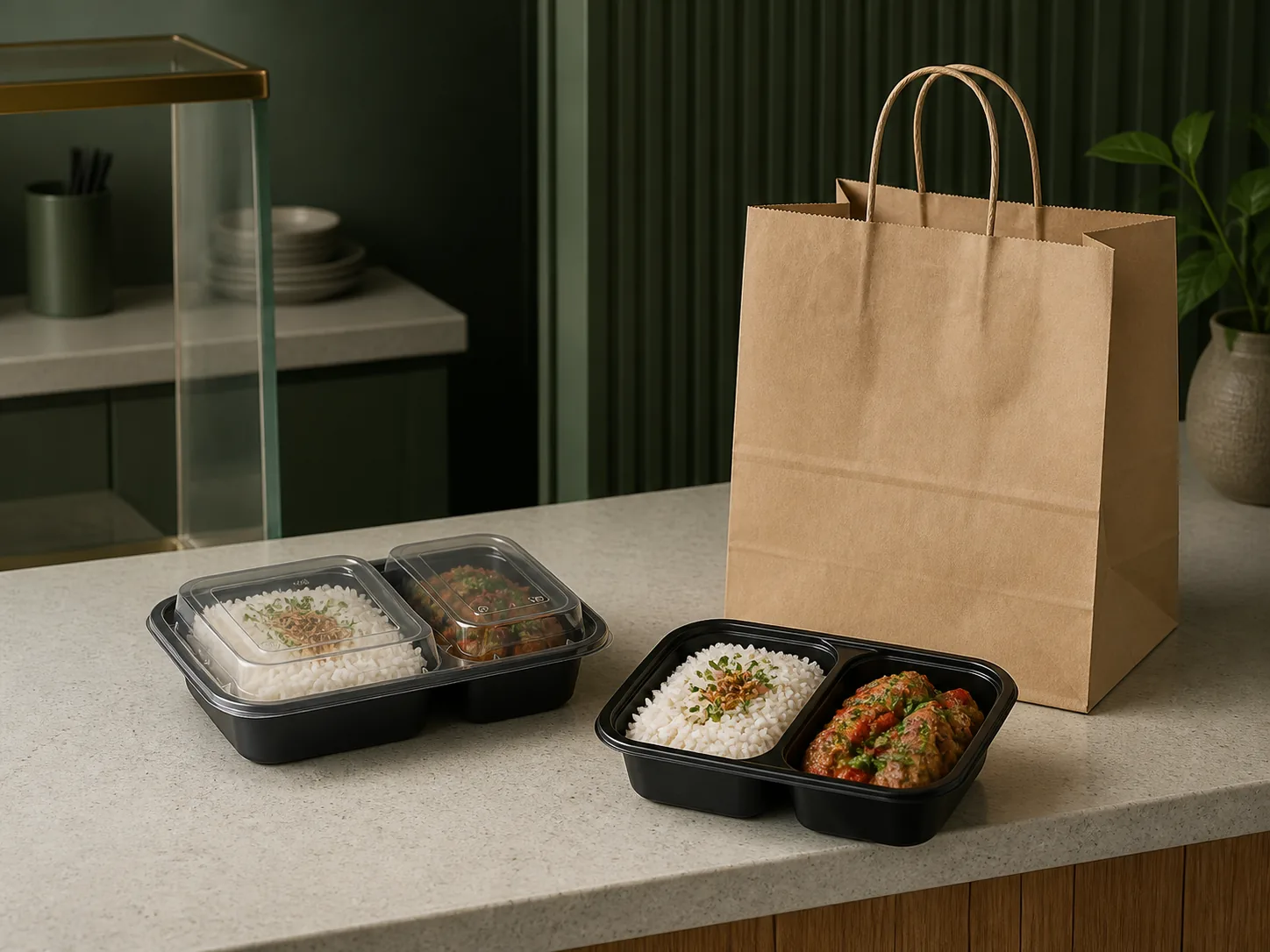
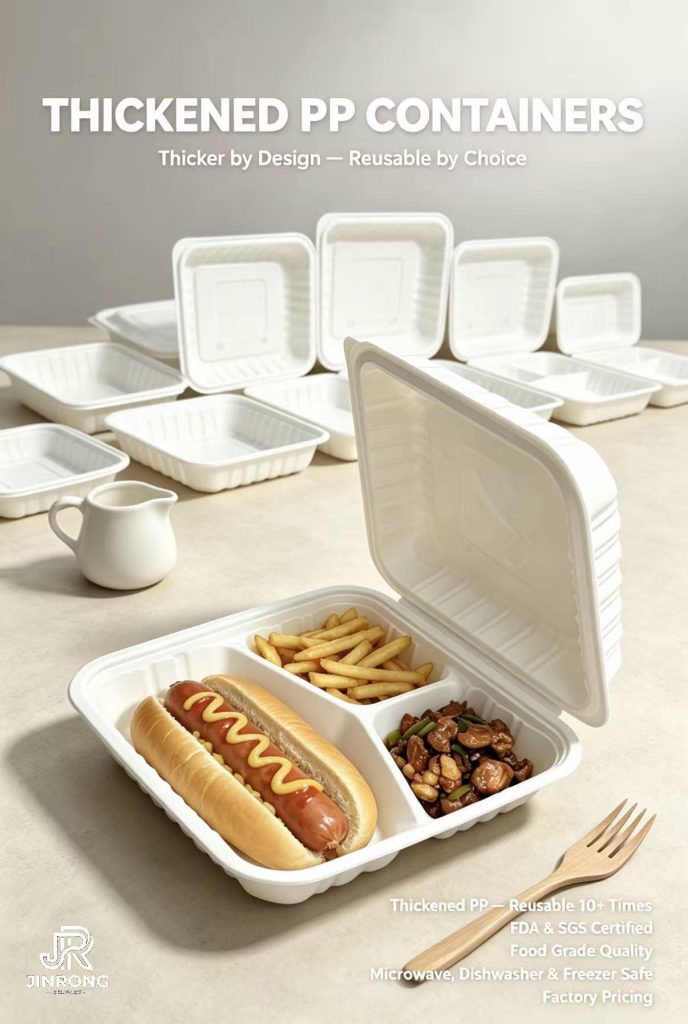
A food-container family may use a PP base with a lid made from another resin. Even when both components are plastic, they may not respond to heat in the same way. A lid may be designed for transport and refrigeration rather than heating. Steam pressure is another practical issue: a tightly sealed container can behave differently from a vented one.
Product literature should therefore avoid transferring a base claim automatically to the lid. The safer wording is SKU-specific: identify the base material, lid material and instructions for heating.
A practical validation plan for foodservice buyers
1. Define the real application
Record the food, fill temperature, portion weight, storage condition, microwave power, heating duration and whether the lid stays on. “Hot food” is too broad to serve as a test condition.
2. Request the correct documents
Ask the supplier which food-contact documentation applies to the exact base and lid. Confirm the report scope, material, color and intended conditions. Do not assume a report for one model covers an entire catalog.
3. Run application testing
Use actual menu items. Check deformation, lid fit, leakage, odor, discoloration, handling comfort and opening behavior after heating. Repeat enough samples to identify inconsistent performance.
4. Write controlled customer instructions
If use is supported, state the relevant limitations. If the lid must be loosened or removed, say so clearly. Avoid absolute language such as “safe at any temperature” or “chemical free.”
Buyer checklist
- Exact container and lid SKUs identified
- Base and lid materials confirmed separately
- Intended food type documented
- Fill and reheating conditions defined
- Supporting food-contact documentation reviewed
- Actual food test completed
- Instructions and limitations agreed before printing packaging claims
Frequently asked questions
Is every number 5 PP container microwave suitable?
No universal conclusion should be made from the resin code alone. Confirm the finished SKU, additives, color, construction, lid and intended conditions.
Does BPA-free mean microwave safe?
No. A “BPA-free” statement addresses one substance; it does not establish microwave suitability or cover every migration and performance question.
Can the clear lid remain on during heating?
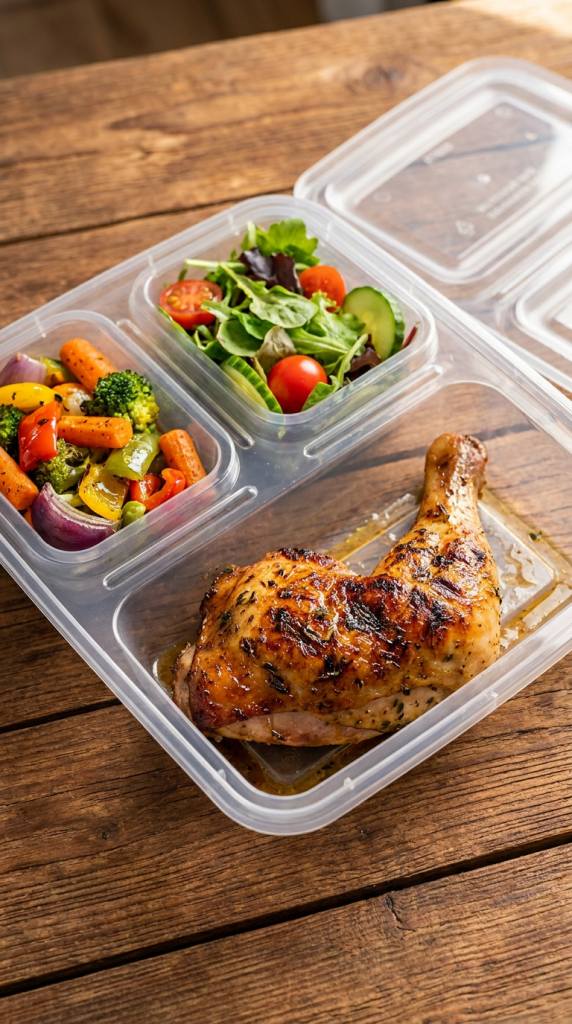
Only if the exact lid is intended and supported for that use. Otherwise, follow the supplier’s documented instruction, which may require removing or venting it.
Sources
- FDA: Food Packaging & Other Substances that Come in Contact with Food
- FDA: Microwave Ovens
- FDA: Food Ingredient & Packaging Terms
CTA
Need to review a container for a specific reheating application? Send JR DELIPACK the SKU, food type, temperature, heating conditions, lid requirement and destination market for a focused specification review.
This article provides general packaging information, not medical, legal or regulatory advice. Product claims must be confirmed for the selected SKU and intended use.
KEEP READING