Hinged vs Separate-Lid Sauce Cups: A Labor, Storage and Leak Comparison

Food-truck operators on Reddit describe a small item that creates a large operational headache: thousands of sauce portions, loose cups and lids in a tight workspace, pre-filling labor, self-service mess and customers taking more than expected.

The best sauce-cup system is not decided by the lowest cup price. It is decided by the complete cost of the cup, lid, filling step, storage, closing errors, spoilage and customer experience.

JR DELIPACK offers hinged and separate-lid PP sauce-cup formats. The exact model should be tested with the real sauce and service workflow.

Food truck team comparing hinged and separate-lid plastic sauce cups

What changes when the lid is attached?

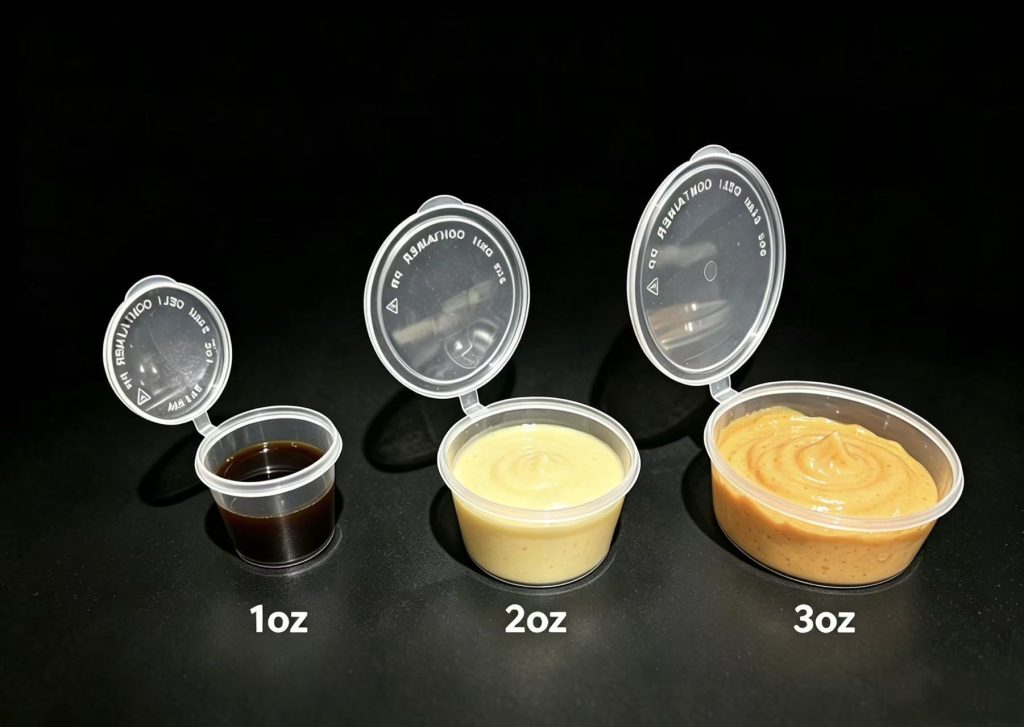
A hinged cup keeps the lid and base as one piece. Staff pick one item, fill it and close it. This prevents a base-and-lid count imbalance and reduces loose parts around a truck or fast-moving packing line.

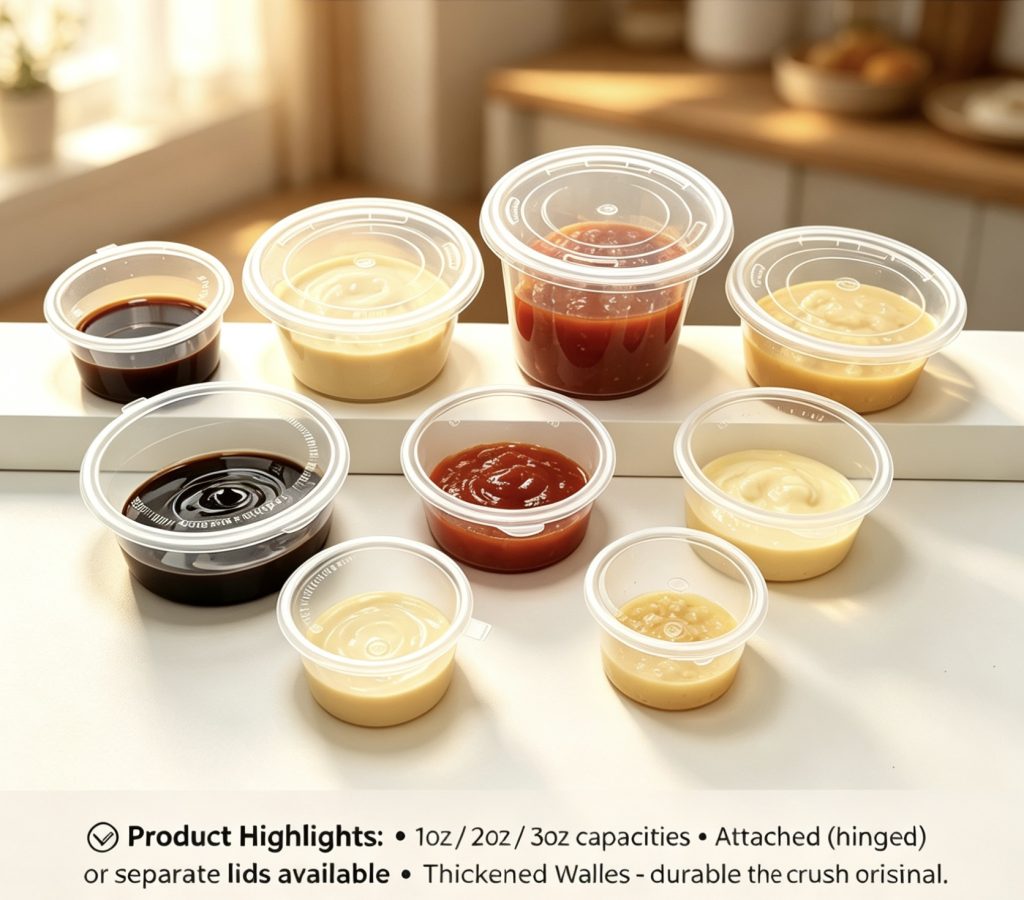
A separate-lid system uses two components. It may support several cup sizes, allow dense cup nesting and give buyers more flexibility in how cups and lids are staged. That flexibility only creates value when the matching lid is controlled and easy to pick.

Compare the complete served-portion cost

Use this formula:

Cost per served sauce portion = cup + lid + filling labor + expected loss + storage/handling cost

Expected loss can include dropped lids, misclosures, cracked cups, overfilled portions, expired prefilled sauce and unused self-service portions.

Run a time-and-motion test

Ask several staff members to prepare a realistic batch with each candidate. Record:

  • time to pick, fill, close and stage 50 portions;
  • number of misclosures or rework events;
  • sauce on rims or gloves;
  • cups dropped or lids lost;
  • completed portions per storage tray;
  • time to restock during service.

A difference of one second per portion becomes nearly 17 minutes over 1,000 portions. Small handling improvements matter at food-truck, stadium, catering and chain volume.

Test the sauce, not water alone

Thin vinaigrette, oily chili sauce, ketchup and thick aioli behave differently. Test the intended fill level and product temperature. Close the cup using the normal line method, then tilt, invert where the application requires it, stack, shake gently and inspect after the actual delivery window.

Document the exact cup and lid codes. “2 oz” does not prove that two suppliers’ lids are interchangeable.

Hinged versus separate lid at a glance

Decision factorHinged cupSeparate-lid cup
PickingOne componentTwo components
Orphan-lid riskVery lowMust be forecast as matched sets
Line speedOften fasterDepends on staging and closure
Nesting and carton designMust be checked by SKUOften flexible, but two cartons may be needed
Shared lids across sizesNot applicablePossible only with documented compatibility
Open presentationAttached lid remains visibleLid can be removed completely
Changeover riskWhole item changes togetherBase and lid transition must be coordinated

Packets, cups or sauce on the food?

Reddit operators also compare sealed packets, portion cups and applying sauce directly to the food. Packets reduce filling labor but can cost more and encourage over-grabbing. Cups support house-made sauces and portion control but add filling and refrigeration work. Applying sauce directly can reduce packaging, but only where the menu and customer choice permit it.

Do not force one method across every condiment. Segment by food-safety requirement, customer demand, portion value and service speed.

What belongs in the RFQ

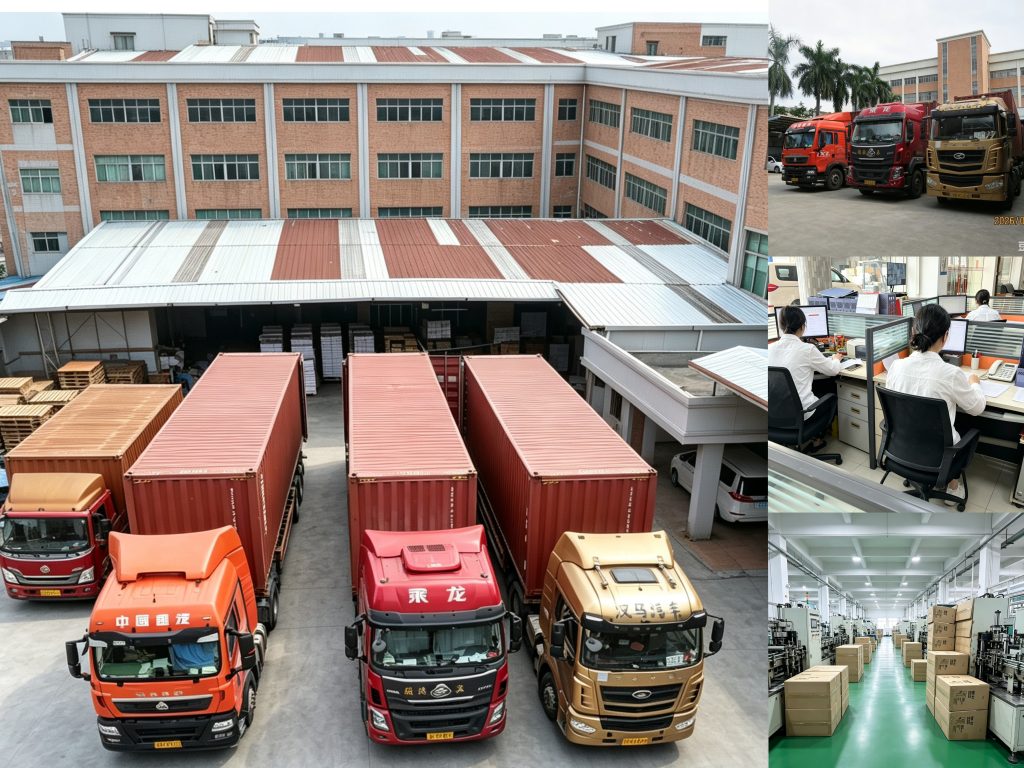
Request capacity, practical fill line, material, cup and lid codes, carton count, carton dimensions, nested height, closure method, intended food/temperature conditions, sample quantity and change-notification terms. Review the supplier’s factory and quality process and approve a golden sample before scale purchasing.

Frequently asked questions

Are hinged sauce cups always cheaper?

Not necessarily by piece. Compare the complete served-portion cost, including labor and inventory loss.

Can one lid serve 1 oz, 2 oz and 4 oz cups?

Only when the manufacturer documents the shared rim and every pairing passes fit and leak tests.

Should sauce cups be prefilled?

That depends on the sauce, temperature control, holding time and local food-safety rules. Confirm the process with the responsible food-safety authority.

What is the most important sample test?

Use the real sauce and real staff workflow, then combine closing-speed and leakage results.

Buyer takeaway

The right cup is the one that controls sauce, labor and inventory together. Contact JR DELIPACK with the sauce type, portion size, weekly volume, service environment and preferred lid style.

Topic sources

Food handling and product suitability must be verified for the exact sauce, temperature and local requirements.

制作最新版本的

KEEP READING

What should you read next?

  1. 8 月 26, 2026Wholesale Plastic Food Containers with Lids: The Leak and Lid-Fit Checklist
  2. PRODUCT SERIESWholesale PP food container product series
  3. WHY JR DELIPACKFactory, quality and supply evidence

发表回复

您的邮箱地址不会被公开。 必填项已用 * 标注