Compostable Food Containers Are Not a Closed-Loop Solution Without Proper Disposal Infrastructure

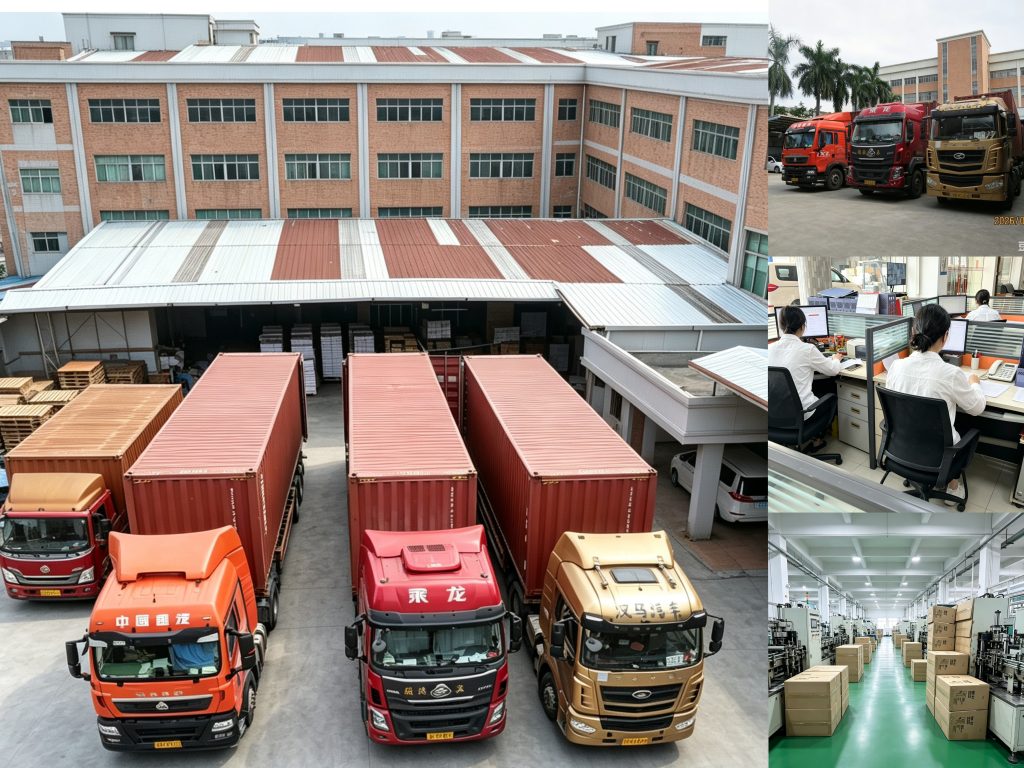
-For buyers searching for compostable food containers, biodegradable takeout packaging, sustainable foodservice packaging, or alternatives to single-use plastic, the key issue is not the environmental label alone but whether a verified end-of-life system exists. JR DELIPACK, operated by Dongguan Delipack Packaging Co., Ltd., evaluates packaging through material selection, food-contact performance, industrial composting access, local recycling rules, disposal labeling, and closed-loop waste infrastructure. This guide explains how commercial compostability, home compostability, molded fiber, bagasse, PLA, recyclable mono-material packaging, rPET, and PP food containers differ in real foodservice applications—and why restaurants, distributors, importers, and policymakers should verify collection, sorting, and processing conditions before making environmental claims.

Many foodservice businesses are replacing plastic containers with “compostable” alternatives. However, a container labeled compostable is not automatically an environmentally responsible solution if the local waste system cannot collect, sort, and process it properly.

For buyers, distributors, restaurants, and policymakers, the key question is no longer only “Is this package compostable?” It is:

Can this package realistically enter a verified composting system after use?

Without collection, sorting, industrial composting, and clear consumer guidance, compostable food containers may still end up in landfill or incineration. In that case, the environmental benefit is far lower than the label suggests.

image

The Compostable Packaging Gap

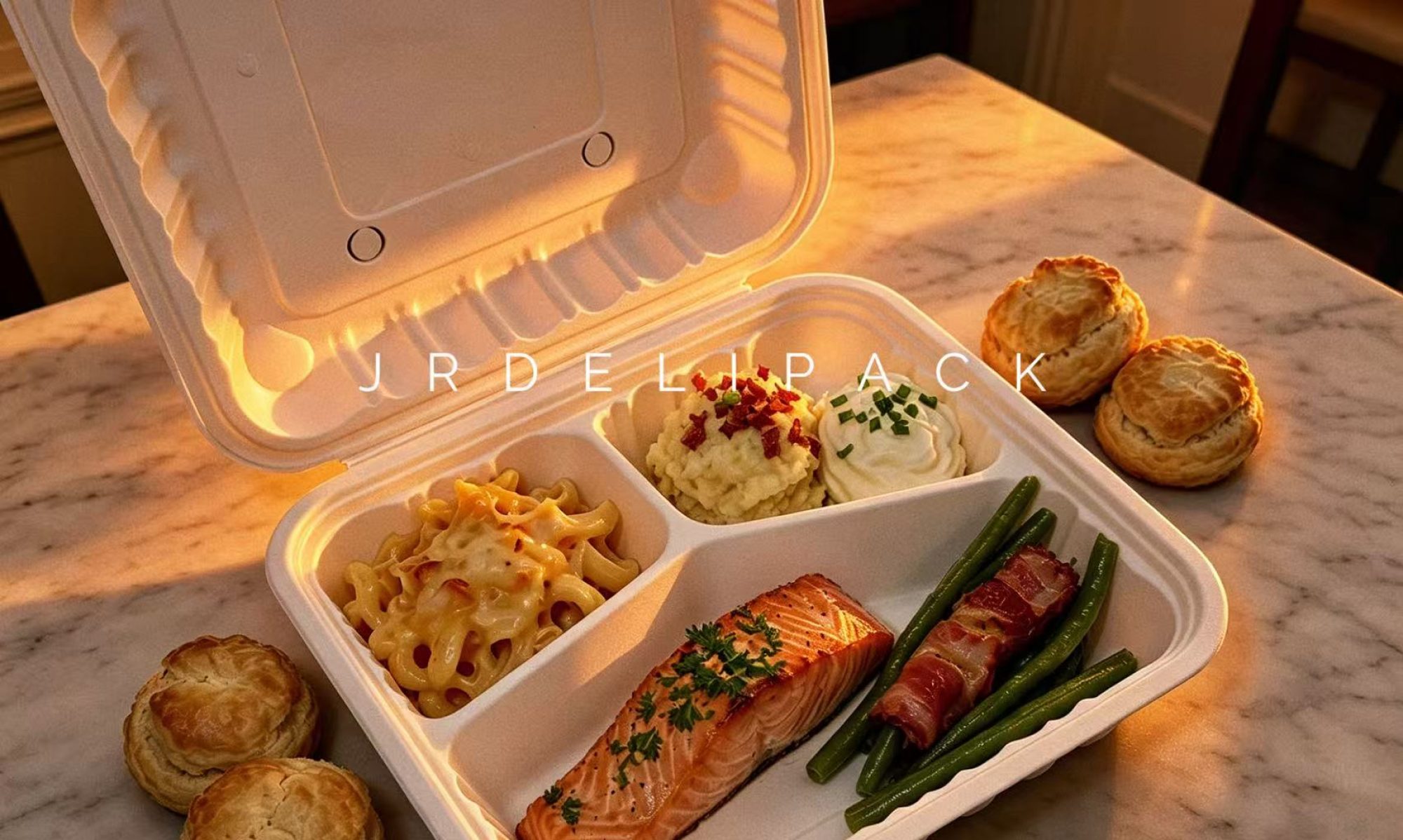
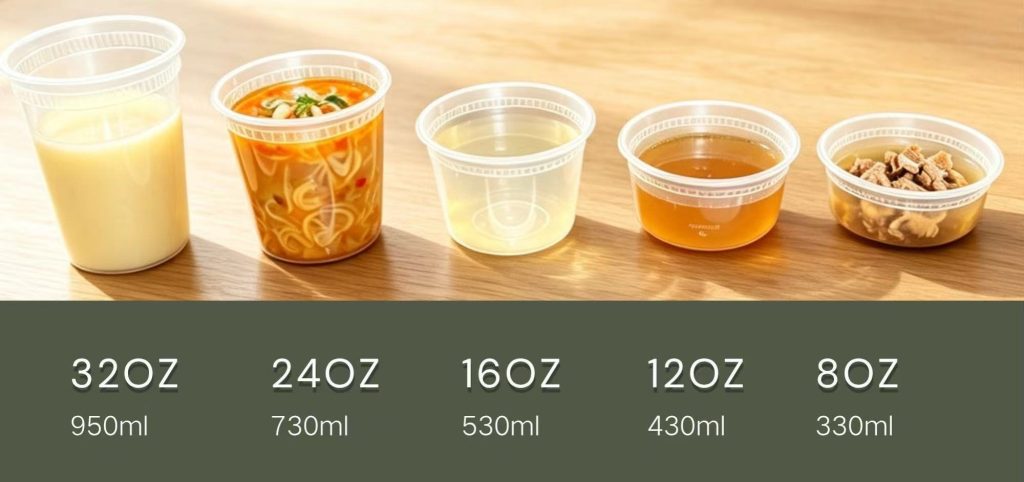
Compostable food containers are commonly made from materials such as bagasse, molded fiber, PLA, or other plant-based polymers. These materials can be useful alternatives to conventional single-use plastics in the right system.

However, many compostable products are designed to break down under industrial composting conditions, not in a home garden, recycling bin, landfill, or ordinary natural environment.

Industrial composting typically requires controlled conditions such as:

  • Sustained elevated temperatures
  • Managed moisture and oxygen
  • Active microbial processing
  • Defined processing time
  • Proper collection and sorting of food waste and compostable packaging

A compostable container placed in a landfill does not necessarily receive these conditions. A container thrown into a conventional recycling stream may also create contamination issues if it cannot be properly separated from recyclable plastics.

This creates a major disconnect between product claims and real end-of-life outcomes.

image 1

“Compostable” Does Not Always Mean “Environmentally Solved”

The environmental value of compostable packaging depends on the full disposal pathway.

Disposal outcomeWhat happens to the containerEnvironmental value
Collected with food waste and processed at an industrial composting facilityThe material may break down under controlled conditionsHighest potential benefit
Sent to landfillDegradation may be slow or incomplete because the required conditions are absentLimited benefit
Sent to incinerationMaterial is destroyed with other wasteDoes not create a composting outcome
Placed in plastic recyclingMay contaminate recycling streams if sorting is ineffectivePotentially negative
Littered in the environment“Compostable” does not mean it will rapidly or safely disappear in natureHigh environmental risk
Home compostingPerformance varies significantly by material and local conditionsMust not be assumed unless specifically certified

The problem is not necessarily the material itself. The problem is the gap between marketing claims, consumer behavior, collection systems, and treatment infrastructure.

Why Industrial Composting Matters

Many compostable food containers require commercial composting facilities because those facilities can maintain the heat, aeration, moisture, and processing controls needed for reliable degradation.

For example, a fiber container with a plant-based coating or a PLA-lined product may look like ordinary paper or pulp packaging. But its real disposal requirements can be more complex.

If a city does not have:

  • Separate collection for food waste,
  • Clear acceptance rules for compostable packaging,
  • Sorting capacity,
  • Industrial composting facilities,
  • Stable end markets for finished compost,

then promoting compostable packaging alone does not create a complete environmental solution.

The packaging may still become waste. It may simply become a different type of waste.

image 3

The Risk of Greenwashing

Greenwashing occurs when environmental claims create an impression of sustainability that is broader or stronger than the real-world outcome.

For foodservice packaging, risky claims often include:

  • “Eco-friendly”
  • “Green”
  • “Earth-friendly”
  • “Biodegradable”
  • “Compostable”
  • “Plant-based”
  • “Plastic-free”

These terms can be misleading when they are not supported by specific evidence, certification, disposal instructions, and local infrastructure compatibility.

For example, stating that a container is “100% compostable” may be incomplete if the product requires industrial composting but the target market has no accessible industrial composting collection program.

A more responsible approach is to use precise language, such as:

“Commercially compostable where accepted by local facilities. Please check local collection and processing availability.”

This type of statement does not weaken the product. It improves credibility and helps buyers avoid making unsupported environmental claims.

image 2

The Real Sustainability Test: Can the System Handle It?

A sustainable packaging decision should be assessed through a full life-cycle and disposal-system lens.

QuestionWhy it matters
Is the product genuinely suitable for food contact and intended use?Food safety and product performance remain essential
What material is used?Different materials have different recycling and composting pathways
Is the product certified for compostability?Certification provides a defined testing framework
Is industrial composting available in the sales region?Without facilities, compostability may not be actionable
Can consumers identify the correct disposal route?Confusion leads to contamination and landfill disposal
Does the local collector accept compostable packaging?Acceptance rules vary by city and facility
Is the item compatible with food-waste collection?Food contamination may make composting more practical than recycling for some products
Is reuse or recyclable packaging more suitable for the application?Compostable packaging is not always the best environmental option
Are environmental claims clear and verifiable?Reduces legal, reputational, and customer risk

The objective should not be to replace every plastic item with a compostable item. The objective should be to select the most appropriate packaging system for the real collection, sorting, reuse, recycling, or composting conditions of the market.

What Governments Should Do

Government policy should focus on building a true circular system, rather than encouraging material substitution without disposal capacity.

1. Build collection infrastructure

Cities and regions should expand separate collection systems for food waste and certified compostable packaging where appropriate.

Restaurants, campuses, stadiums, hospitals, event venues, and large foodservice operators are especially suitable starting points because they generate concentrated waste streams and can manage disposal instructions more effectively.

2. Establish clear acceptance rules

Waste operators should clearly state which compostable packaging products are accepted. Restaurants and consumers need consistent guidance, not vague labels.

A container should not be marketed as a practical composting solution in a market where the local treatment system rejects it.

3. Standardize labeling

Governments and industry should promote clear, visible labels that distinguish:

  • Recyclable
  • Commercially compostable
  • Home compostable
  • Non-compostable
  • Accepted in local organics collection
  • Not accepted in local recycling streams

Clear labeling reduces contamination and helps consumers make correct disposal decisions.

4. Regulate unsupported claims

Environmental claims should be specific, evidence-based, and linked to actual disposal conditions.

Terms such as “biodegradable” and “eco-friendly” should not be used as broad marketing shortcuts when the material requires specialized treatment that is unavailable to most users.

5. Support composting capacity

Municipalities and private operators need economic incentives to develop industrial composting, organics collection, sorting, and processing capacity.

Packaging policy should be connected to waste-management investment. Otherwise, material mandates may shift the problem rather than solve it.

6. Encourage closed-loop procurement

Public institutions, universities, airports, hospitals, and large event operators can create practical closed loops by purchasing compostable packaging only when they also have:

  • Dedicated organics bins,
  • Trained waste staff,
  • Collection partners,
  • Accepted composting facilities,
  • Contamination monitoring,
  • Transparent reporting.

This approach turns compostable packaging from a marketing claim into a managed waste system.

What Foodservice Buyers Should Ask Suppliers

Before purchasing compostable food containers, importers, distributors, and restaurant groups should ask suppliers the following questions:

Buyer questionWhy it matters
Is the product commercially compostable, home compostable, recyclable, or neither?Prevents vague environmental positioning
Which certification supports the claim?Provides evidence for procurement and marketing review
Does the product contain coatings, inks, adhesives, or additives that affect compostability?The full finished product matters, not only the base material
What disposal conditions are required?Clarifies industrial versus home composting expectations
Can you provide technical documents and test reports?Supports compliance and customer due diligence
Is the product accepted by local composting facilities in our market?Links procurement to real waste infrastructure
What disposal guidance should be printed on the packaging?Reduces end-user confusion
Is a recyclable or reusable option more suitable for our application?Avoids assuming compostable is always best

For foodservice distributors, this information should become part of the product data sheet, alongside dimensions, carton quantity, material, temperature range, MOQ, and lead time.

A Better Approach for Packaging Suppliers

Packaging manufacturers should not sell compostable packaging as a universal environmental answer.

A responsible supplier should provide a product portfolio that matches different market conditions:

Market conditionRecommended packaging approach
Strong organics collection and industrial composting availableCertified commercially compostable containers may be appropriate
Reliable plastic recycling system and clean waste streamRecyclable mono-material packaging may be more practical
Closed-loop venues such as campuses, stadiums, or corporate cafeteriasCompostable packaging can work when collection is controlled
High-volume takeaway delivery with mixed disposal behaviorFocus on leak resistance, material reduction, recyclability, and clear disposal labeling
Markets without composting infrastructureAvoid overpromising compostability; prioritize reduction, reuse, or locally recyclable formats
Premium retail food and meal-prep applicationsEvaluate rPET, PP, fiber, and reusable systems based on performance and local recovery pathways

For manufacturers, this means building capability in several material platforms rather than relying on one “green” product category:

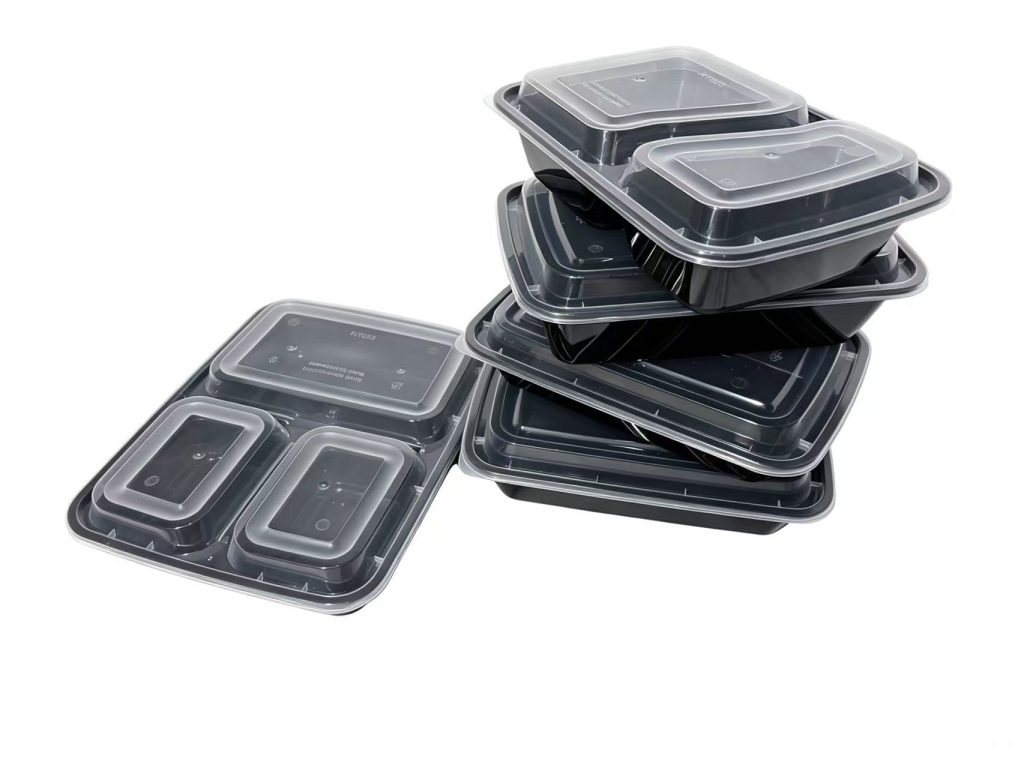
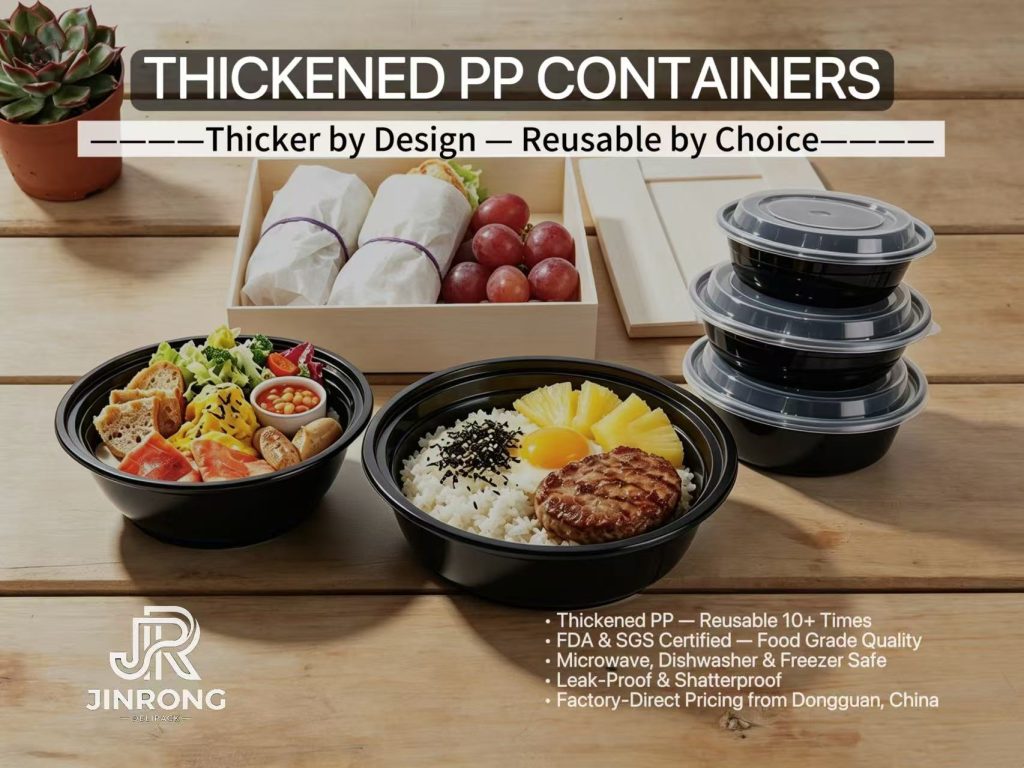
  • Lightweight PP food containers
  • Recyclable mono-material packaging
  • rPET packaging where appropriate
  • Molded fiber and bagasse food containers
  • Certified commercial compostable packaging
  • Reusable foodservice solutions for closed-loop applications

Conclusion

Compostable food containers can be part of a better packaging future, but only when they are connected to a functioning collection and industrial composting system.

A compostable label alone does not create a circular economy. Without proper sorting, collection, treatment capacity, clear labeling, and consumer education, many compostable containers will still enter landfill, incineration, or contaminated recycling streams.

The real environmental goal should be a closed loop:

Appropriate material selection
        ↓
Clear labeling and buyer guidance
        ↓
Separate collection
        ↓
Correct sorting
        ↓
Industrial composting or effective recycling
        ↓
Verified end-of-life outcome

Governments, waste-management operators, packaging suppliers, distributors, and foodservice businesses must work together. The future of sustainable food packaging is not simply about replacing plastic with another material.

It is about creating a system in which packaging can be collected, processed, and returned to productive use in a real, measurable, and accountable environmental loop.

KEEP READING

What should you read next?

  1. 9 月 2, 2026How Can Buyers Verify Closure Latch Consistency in 3 Compartment
  2. 8 月 26, 2026Prevent Orphan Lids and Stockouts: A Takeout Container Supplier Change-Control Plan
  3. PRODUCT SERIESWholesale PP food container product series

BUYER FAQ

Questions buyers ask before sourcing PP food packaging

Can JR DELIPACK PP containers be used for hot food and microwave reheating?

Our PP food packaging is designed for hot-food service. The selected product specification should be confirmed for microwave reheating, dishwasher cleaning and freezing before an order is placed.

Which food-contact documents can be confirmed for an order?

JR DELIPACK can provide SGS and FDA-related documentation within the confirmed scope for the selected SKU and destination market. Please tell us the product, destination and document requirement first.

What is the minimum order quantity and how is a quotation prepared?

MOQ is confirmed by SKU, packing and order requirements. Final pricing is quoted according to the model, quantity, destination, packing requirement and agreed trade terms.

Are samples free?

Samples are free. Buyers first advance the freight or handling cost; when a formal order is placed, the confirmed advanced amount is deducted from the final payment.

What is the estimated production lead time?

Production normally takes 30 days or more from order confirmation to FOB Shenzhen Shekou. Ocean transit time is not included and the final schedule is confirmed per order.

“Compostable Food Containers Are Not a Closed-Loop Solution Without Proper Disposal Infrastructure”的2个回复

发表回复

您的邮箱地址不会被公开。 必填项已用 * 标注