The Real Cost of Takeout Packaging for Restaurants and Distributors

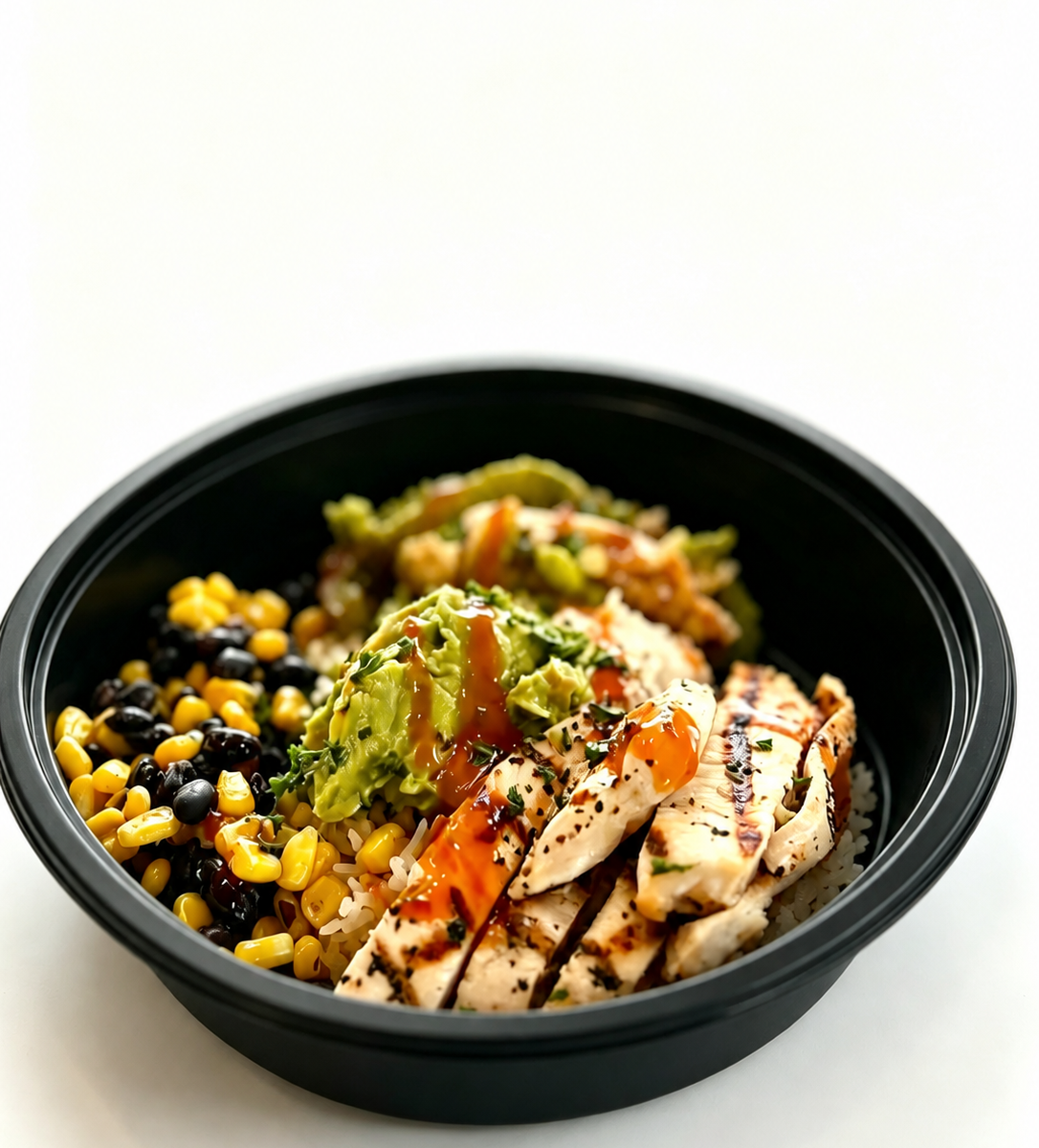
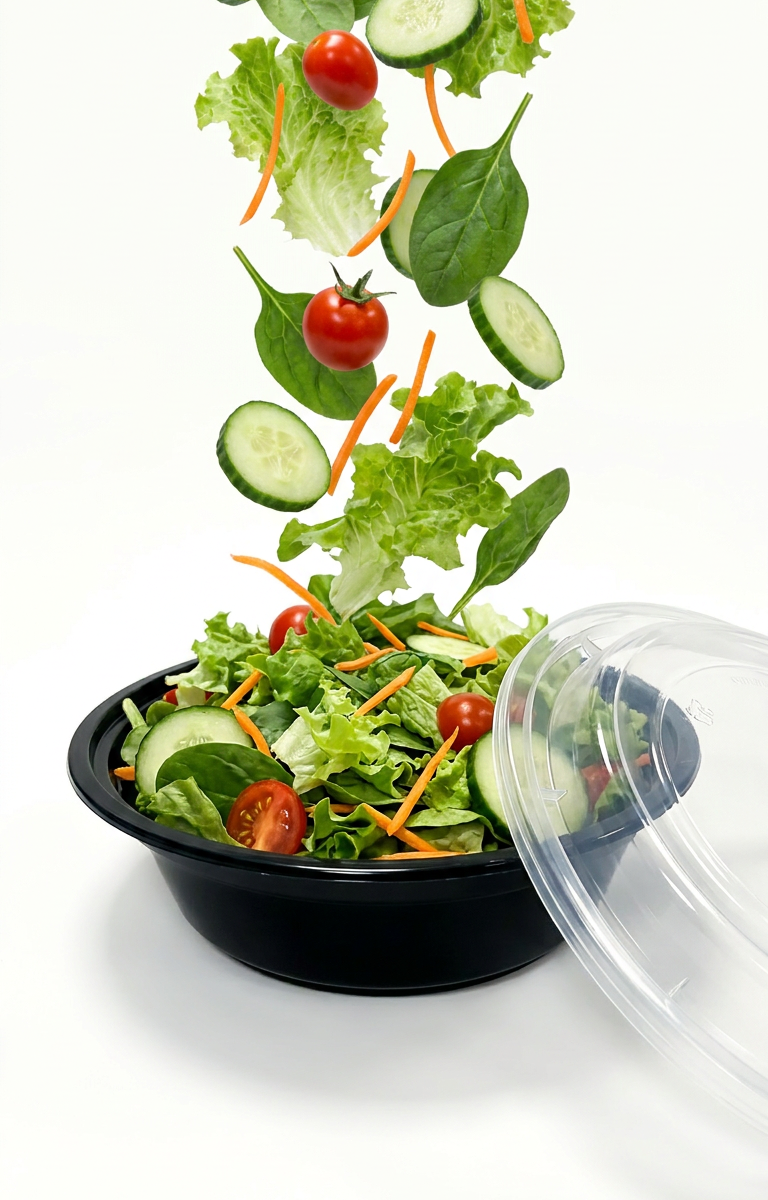
Illustrative black food bowl with vegetables and clear lid

Compare takeout packaging by the full cost of the usable complete set: in a hypothetical batch, USD 300 spent to make 950 sets available equals about USD 0.316 per usable set, not USD 0.300 from dividing by 1,000 purchased sets. The difference comes from the denominator; a low component price alone cannot show what the operation actually has available to pack and serve food.

All amounts, quantities, timing observations and event rates below are invented examples for checking a buyer’s calculation. They are not JR DELIPACK quotations, customer savings, measured product performance or market averages. The framework is for operational purchasing comparisons, not statutory accounting or a destination-specific tax calculation. Replace each assumption with evidence from the order and service being evaluated.

Illustrative black food bowl with vegetables and clear lid
Illustrative bowl and lid. Confirm the actual ordered set, pack quantity and supporting specification before comparing costs.

What is included in your packaging cost comparison?

Begin by naming the purchasing unit and the point where the calculation stops. A base, a lid, a complete set and a delivered meal are different units. For a distributor, the useful denominator may be saleable sets received into stock. For a restaurant, it may be sets issued to the kitchen or customer orders completed under a defined service standard.

Write that choice above the worksheet. A receipt-stage comparison should include costs incurred to reach the stated receiving point; an operational comparison can add separately identified storage, picking and packing costs for a defined period. Do not call a receipt-stage result the full cost of serving a meal when later activities have not been included.

The International Trade Administration describes landed cost as including product price, insurance, freight, tariffs, taxes and other fees, and cautions that it remains an estimate until applicable charges are known. Use that as a reminder to reconcile the complete delivery scope, not as a tariff schedule or a guaranteed final cost for a particular shipment. 1: ITA landed-cost guidance · reference details

Record each input’s source, currency and effective date. Separate a confirmed invoice from an estimate and a disputed charge from an agreed credit. If comparing two options in different currencies, show the exchange assumption and its date. A missing input should remain visible rather than becoming zero merely because the supplier or forwarder has not answered yet.

How do you make quotations comparable before adding operating costs?

Identify the exact base-and-lid pairing, required accessories and pack configuration for each candidate. Confirm what the quoted selling unit contains. Then normalize the quotations to the same complete usable set. The quotation scope guide covers those commercial inclusion questions; this article carries the comparison forward into receipt and service costs.

Do not treat a familiar trade abbreviation as a complete explanation of an offer. ICC states that Incoterms rules allocate specified obligations, risks and costs, but do not replace the sales contract or determine matters such as product specifications, payment terms or ownership transfer. ICC also emphasizes identifying the applicable rule, version and precise named place. 2: ICC explanation of Incoterms and commercial contracts · reference details

Use the agreed delivery basis to assign each cost once. If an invoice already includes a transport leg, do not add the same leg again from a forwarder’s full-route estimate. When an estimate covers several legs together, request the detail needed to reconcile it. Keep the buyer’s cost comparison separate from any unresolved contractual liability question.

Also separate one-time sample, artwork or setup charges from repeat-order costs. Show both the initial order and the repeat scenario when those differences matter. State how many sets carry the initial charge in the comparison; spreading it over an assumed lifetime volume can make a low-volume trial look cheaper than the commitment the buyer is actually making.

Why does USD 300 become USD 0.316 per usable set?

Assume a buyer purchases one thousand complete sets for two hundred forty US dollars. The hypothetical batch also incurs forty dollars of inbound charges and twenty dollars of receiving and handling cost, with no overlap between the three amounts. The defined receipt-stage cost is therefore three hundred dollars before any recovery credit.

Suppose fifty sets are unavailable for issue at the review date, leaving nine hundred fifty usable complete sets. For this example, the unavailable sets have no recognized recovery value and no confirmed credit. Dividing three hundred dollars by nine hundred fifty gives approximately thirty-one point six cents per usable set, rounded to three decimal places in dollars.

Hypothetical receipt-stage field Assumed value Treatment
Complete sets purchased 1,000 Quantity basis, not the usable denominator
Purchase cost USD 240 Includes the purchased packaging
Inbound charges USD 40 Assumed additional, not already in the purchase cost
Receiving and handling USD 20 Assumed additional cost for this batch
Total before credit USD 300 USD 240 + USD 40 + USD 20
Unavailable sets 50 Excluded from usable quantity at the review date
Usable complete sets 950 1,000 − 50
Cost per usable set USD 0.316, rounded USD 300 ÷ 950

Dividing by all purchased sets instead would produce thirty cents. That result describes cost per purchased set, not cost per usable set. Neither denominator should be hidden. Recording both makes it easier to explain whether a change comes from the purchasing amount, additional charges or the quantity available for use.

Now assume a fifteen-dollar supplier credit becomes confirmed and is assigned to this batch. The net cost becomes two hundred eighty-five dollars, so the usable-set calculation becomes exactly thirty cents. An expected but unresolved credit should remain a separate scenario. Updating the record when it is confirmed is more reliable than treating a hoped-for recovery as money already received.

How do you avoid counting the same failure cost twice?

The purchased packaging for all one thousand sets is already inside the example’s purchase cost. Reducing the denominator to nine hundred fifty reflects the smaller usable quantity. Adding the purchase value of the same fifty unavailable sets again as a separate expense would count that packaging expenditure twice. Additional inspection, disposal or replacement-transport costs are different only when actually incurred and not already included.

Use either a clearly defined observed-cost record or a forward-looking scenario for the comparison, and label which it is. An observed record draws on the batch or service-period costs and outcomes already recorded. A forecast estimates future events under stated assumptions. Do not add a generic expected-failure allowance on top of observed event costs for the same population and period.

Keep different consequences of one incident distinguishable. A replacement meal, a refund and a delivery charge are not automatically all incurred for every complaint. Record what actually happened, then link the amounts to the incident. If one labor allocation already covers the service call, do not add those same minutes again in a separate handling total.

Uncertain cause also matters. Record whether the issue concerns the package, the chosen lid, filling practice, transport or an unresolved combination. A complaint is evidence that an event needs review; it is not automatically proof of a manufacturing defect. Keep purchasing decisions, supplier claims and operational improvement records connected without treating them as the same conclusion.

How can packing time be converted into a useful cost estimate?

Measure a defined task such as selecting a matching lid, closing the filled container and placing the set into the delivery bag. Use the same task boundary for each candidate. Record the operator, menu application and service conditions. Include corrections and interruptions consistently instead of timing only the smoothest attempts for the preferred option.

For a separate hypothetical example, assume one method takes twelve seconds per set and another takes eight. The difference is four seconds. Across one thousand eight hundred sets, that equals seven thousand two hundred seconds, or two labor hours. At an assumed allocated labor cost of eighteen dollars per hour, the modeled difference is thirty-six dollars, or two cents per set.

That is a time-cost allocation, not a promise that payroll falls by thirty-six dollars. Whether time released changes overtime, staffing or productive capacity depends on the operation. Report the measured time difference first and explain the costing assumption separately. A fixed shift cost and an incremental overtime payment should not be described as interchangeable savings.

Keep the compatibility check separate from the timing result. Faster closure is not acceptable if the pairing fails the required use. Use the lid-fit and leak-check guide for the physical questions. Bring the approved combination back into the time study rather than assuming that visually similar lids can be substituted to improve the result.

How should carton volume and storage enter the worksheet?

Compare the outside dimensions and confirmed contents of the actual shipping cartons. A smaller carton is not automatically more efficient if it contains fewer complete sets. Equally, a higher carton count does not necessarily mean more total volume. Keep carton quantity, component quantity and usable complete-set quantity visible as separate fields.

As an explicitly hypothetical geometry example, a carton measuring half a meter by four-tenths of a meter by three-tenths of a meter occupies six-hundredths of a cubic meter. Thirty such cartons total one point eight cubic meters of carton volume. This excludes pallets, gaps, wrapping and access space; it is not a verified warehouse footprint or freight loading plan.

Use a carrier or forwarder’s quoted charging basis rather than assuming that the geometric volume determines the bill. Record the service, route, quotation date and included charges. If comparing a consolidated load with an individual shipment, account for the different scope before attributing the price difference to container nesting or packaging design.

For storage, connect the cost to the time and space actually used. Distinguish a charge that would change with the purchasing decision from an allocation of an existing fixed warehouse expense. Also record leftover or obsolete components: a cheap lid purchased in excess can remain inventory without helping the restaurant assemble another approved complete set.

What evidence should a restaurant collect during a packaging trial?

The National Restaurant Association’s packaging-sourcing guidance recommends testing samples with actual menu items, considering holding conditions, leakage and opening or closing, and not choosing solely by the lowest price. Those questions support a service-based comparison. Its article does not establish a defect rate or a fixed qualification duration for a particular JR DELIPACK product. 3: National Restaurant Association packaging-sourcing guidance · reference details

Choose a trial period that covers the intended service conditions and record its limits. A week may be a practical planning period for one operation, but it is not a universal approval standard. Likewise, use the operation’s real delivery and holding requirements rather than assuming that a fixed simulation duration represents every route or menu.

Record sets issued, the menu and portions, packaging references, closing observations and service incidents. Agree in advance what counts as a completed customer order. A replacement can eventually satisfy the customer while using another package, so a count of customer orders and a count of sets consumed should not silently be treated as equal.

Include a waste record where it informs the purchase. EPA’s commercial-building waste guidance recommends establishing a tracking baseline and assessing the quantity and composition of the waste stream before selecting improvements. A measured record is more useful than attributing every discarded component to the supplier, or assuming a disposal-cost saving without examining the actual service arrangement. 4: EPA commercial waste tracking and assessment guidance · reference details

How much improvement would justify a higher price?

Use a break-even question instead of claiming that the more expensive package must save money. In another hypothetical forecast, an alternative costs two cents more per set, and an avoidable service event would add eight dollars of separate incremental cost. Two cents divided by eight dollars equals a required reduction of two and a half events per thousand issued sets.

If the event is binary, with at most one such event per set, that reduction is one quarter of a percentage point in the event rate. It is not a twenty-five-percent relative improvement. The calculation assumes the eight-dollar amount excludes costs already included elsewhere and that all other relevant costs are unchanged. It identifies a decision threshold, not evidence that a candidate achieves it.

Compare that threshold with appropriately collected evidence, including uncertainty. A small trial without incidents does not establish a zero future event rate. If the observed range is too uncertain to choose confidently, retain a limited trial or request better evidence. Do not insert a favorable industry average merely to force the preferred purchasing decision through the calculation.

Test the conclusion against the inputs most likely to change, such as freight, usable quantity, labor allocation or order volume. Show the scenario that reverses the decision, if one exists. This makes the review useful when actual conditions change and prevents a narrow initial result from becoming a permanent claim that one supplier or material is always cheapest.

What should the buyer approve and retain?

Keep the final comparison short enough to use during purchasing but traceable to the underlying records. Name the complete set, intended service, comparison period and cost boundary. Identify the chosen option and the conditions on which the decision depends. Preserve the alternative’s valid information so a later review does not begin again from a collection of disconnected emails.

  • Confirm the base, lid and accessories that constitute the comparison unit.
  • Link prices and included charges to their quotation or invoice versions.
  • Reconcile purchased, unavailable, usable and consumed quantities.
  • Separate initial charges from repeat-order costs and forecasts from actuals.
  • Record labor and service-event assumptions without counting costs twice.
  • Keep the selection conditional on product suitability and current evidence.
  • Reopen the comparison when the package, service or cost boundary changes.

JR DELIPACK supplies PP, PLA and paper-based foodservice packaging with supply and manufacturing support. Use the product range to identify the relevant configuration and the factory and quality information to understand supporting-document boundaries. Product-specific suitability and order terms require confirmation; the hypothetical figures above are not an offer.

Contact JR DELIPACK with the product, intended use, quantity and destination. Specify the complete set, required packing and delivery basis, and ask for the information needed to compare quotations consistently. Keep sample and initial setup costs visible separately from repeat purchasing assumptions.

Frequently asked questions

Is the lowest unit price the lowest packaging cost?

Not necessarily. First establish whether the quoted unit includes the required base, lid and accessories, then compare additional charges and the quantity actually usable at the chosen stage. A lower displayed component price may describe a different purchasing scope. It cannot on its own establish a lower cost per usable set or completed customer order.

Should damaged packaging be added as a second purchase cost?

Not when its purchase cost is already in the batch total. Keep that total and adjust the usable denominator consistently. Add only separately incurred costs that are not already included, and record confirmed recovery credits once. A forward-looking loss allowance and an observed loss record for the same events should not both be added to the comparison.

Does a faster packing method guarantee a payroll saving?

No. Timing can show a difference in the labor required for a defined task, but cash savings depend on how staffing and capacity change. Report the time observation and the hourly costing assumption separately. If a shift costs the same either way, describe the result as allocated time cost or capacity released, not a proven reduction in wages paid.

Can carton cubic volume be used as the final freight price?

No. Geometric volume describes one input, not the carrier’s complete charging arrangement. Reconcile the route, service, charging basis and included fees against a current quotation. Pallets and unused space can also make the physical shipment differ from the sum of carton volumes. A volume calculation does not establish how a specific load will be billed or packed.

How should a distributor compare costs with a restaurant?

Keep their different boundaries explicit. A distributor may compare saleable complete sets at receipt or after warehouse handling, while a restaurant may compare sets consumed and service-event costs over a meal period. Share product and packing information, but do not assume the same denominator or operating-cost allocation answers both businesses’ questions.

Can a pilot’s result be used as a permanent failure-rate forecast?

Not automatically. Retain the sample context, menu, package pairing, service conditions and period. Changes to any of those can affect how useful the observation is for a later purchase. Use an uncertain result as a range or a reason for more evidence, rather than promoting a small successful trial into a universal product-performance or savings claim.

References

Compostable vs PP Food Containers: A Disposal-Reality Guide

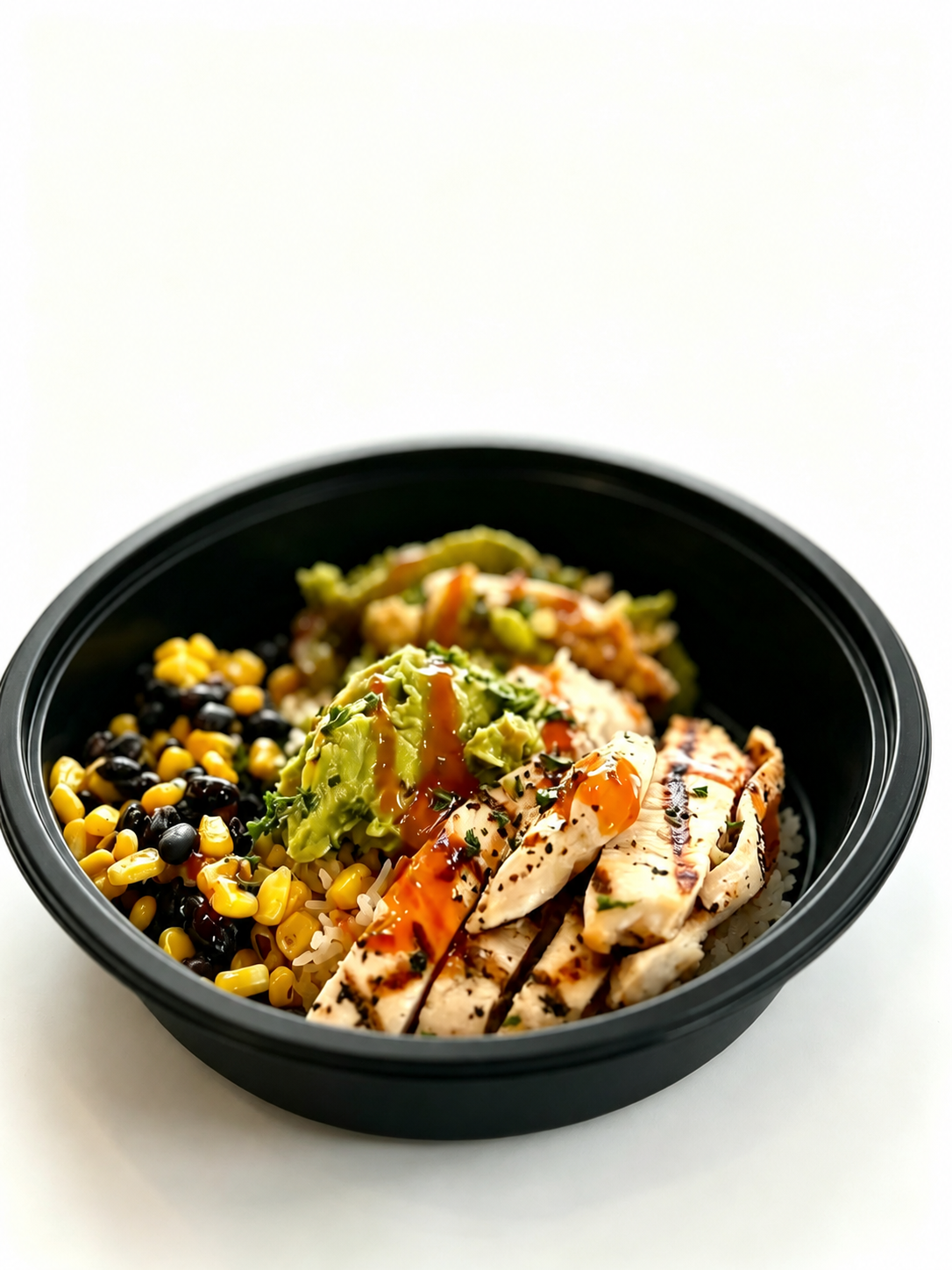
Illustrative black bowl with prepared food

Choose compostable or PP food containers by the meal service and its verified collection route: if a hypothetical operation serves 1,000 meals, with 700 eaten onsite and 300 taken away, only 70% initially remain within the onsite collection program’s reach. That percentage describes the service boundary, not a composting or recycling result; it prevents an onsite success story from being applied automatically to every package sold.

This guide compares purchasing options through that boundary. The worked figures are invented planning examples, not JR DELIPACK customer results, collection measurements or environmental savings. The proposed records and pilot steps are buyer tools, not a regulatory test protocol. Use them to decide what evidence to request and what your own operation can realistically observe.

Illustrative black bowl with prepared food
Illustrative foodservice bowl. Appearance does not establish the material, certification, performance or disposal route of a particular product.

What exactly are you comparing when you say compostable versus PP?

“PP” identifies polypropylene, whereas “compostable” describes a claimed end-of-life characteristic under specified conditions. They are not equivalent kinds of label. A comparison needs two identifiable finished packages, including their lids and any labels, rather than a contest between an undefined compostable category and every possible polypropylene container.

For example, list the actual bowl-and-lid combination proposed for each option. Add the serving size, food type, intended temperature and maximum holding period. If one option includes a lid and the other quotation covers only a base, correct that difference before discussing performance or price. Otherwise the comparison starts with different purchasing units.

Biobased origin does not by itself establish biodegradability or compostability. EPA also distinguishes commercially compostable plastics from products supported for home composting and warns against putting compostable plastics into conventional plastic recycling. These distinctions make a material name insufficient for specifying disposal instructions. 1: EPA plastic recycling and composting FAQ · reference details

Ask each supplier to complete the same short specification before comparing options. An unanswered field should remain an open question, not become a presumed advantage for the competing package. A visually similar product from a different catalogue is not a substitute for the proposed item when checking documents, dimensions or an operator’s acceptance decision.

Which service channels can your collection program actually reach?

Separate onsite dining, managed catering and unrestricted takeaway. In an onsite operation, the buyer may control the purchasing list, staff instructions and collection points. For takeaway, the buyer may know where the meal was sold but not where its packaging will be discarded. Record that uncertainty rather than treating the customer’s destination as an extension of your premises.

For managed catering, identify who controls the event waste contract and who removes the final bags. A venue policy and a caterer’s purchasing preference can differ. Ask for a written agreement covering the actual event, not an assumption that the venue’s normal arrangements apply to a temporary service or to packaging brought in by another operator.

In its U.S. foodservice purchasing guidance, EPA prefers reusables in an effective collection, washing and return system. Where reusables cannot be procured, its commercially compostable recommendation depends on local program availability, product acceptance and collection or hauling arrangements. Its recyclable option similarly depends on local acceptance. This is a U.S. guidance framework, not a universal rule for every overseas restaurant. 2: EPA foodservice purchasing guidance · reference details

Translate those questions into your own service map. Mark each location with the person responsible for confirming arrangements, the item references under review and the date of the response. A map with unresolved locations is still useful: it shows where a broad purchasing commitment would run ahead of the available operating evidence.

How should buyers compare the two finished-package options?

Use the same questions for both candidates. The table below is a proposed comparison sheet, not a list of universal material properties. Fill it with product-specific evidence and your own service requirements. Do not award a passing result simply because the supplier filled every field; check what the answer actually establishes.

Purchasing question Proposed compostable package Proposed PP package
What is included? Identify base, lid, label and claimed scope Identify base, lid, label and material declarations
What use is supported? Record documented food-use conditions for the finished combination Record documented food-use conditions for the finished combination
Where would it go? Name the accepting collection and composting arrangements, if any Name the accepting collection and recycling arrangements, if any
What remains unknown? Unmatched components, unavailable route or unreviewed use Unaccepted format, unavailable route or unreviewed use
What can be said publicly? Only the specific substantiated claim and necessary qualifications Only the specific substantiated claim and necessary qualifications

Keep functional suitability, route availability and communication evidence in separate columns. A package can meet the food-service requirement while lacking a verified disposal route. Conversely, an accepted material can still be unsuitable for the proposed meal. Neither column should silently compensate for a failure in the other when the buyer makes the final decision.

For the compostable candidate, resolve certificate-to-product mapping separately from this comparison. The material scope disclosure guide explains how to connect materials, documents and finished configurations. Bring the resulting product-specific conclusion back to this sheet; do not copy a certificate number without its scope or assume every size and closure is covered.

For the PP candidate, a resin identification mark does not guarantee collection in the relevant community. EPA advises checking local acceptance of the actual plastic format and removing food residue as directed. Ask about the proposed container and lid, not simply whether an operator handles “plastic.” 3: EPA guidance on common recyclables · reference details

How can one pilot produce both a 90% sorting figure and a 54% acceptance figure?

Return to the hypothetical thousand-meal operation. Assume every meal uses one complete packaging set and the onsite and takeaway groups do not overlap. Seven hundred sets are used onsite, while three hundred leave the premises. The initial onsite coverage calculation is seven hundred divided by one thousand, giving seventy percent. No disposal observation has yet been made.

Now assume a defined pilot record identifies six hundred thirty of the onsite sets as correctly sorted. Correct sorting among onsite sets is six hundred thirty divided by seven hundred, or ninety percent. Against all sets issued, however, the same correctly sorted count represents sixty-three percent. Both ratios can be arithmetically correct while answering different questions.

Finally, assume that ninety of those correctly sorted sets are subsequently rejected under the receiving operation’s acceptance requirements. Five hundred forty sets remain accepted at receipt. Relative to the thousand issued sets, that is fifty-four percent. Acceptance at receipt still does not establish that those sets completed recycling or composting, or quantify an environmental benefit.

Hypothetical measure Calculation in complete sets Result and limitation
Onsite service coverage 700 ÷ 1,000 70%; not a collection outcome
Correct sorting within onsite service 630 ÷ 700 90%; excludes takeaway sets
Correct sorting across all issued sets 630 ÷ 1,000 63%; not processor acceptance
Accepted after assumed rejection 630 − 90 540 sets; receipt stage only
Receipt acceptance across all issued sets 540 ÷ 1,000 54%; not proven final processing

The example assumes consistent counting of complete sets through the stages. Real operators may report bag weights or loads rather than individual sets. Do not convert their weight records into an item count without a documented method. If lids separate from bases, explain how the measurement treats them before claiming that one stage reconciles with another.

Also distinguish unknown outcomes from confirmed failures. The three hundred takeaway sets are outside this example’s onsite observation, not necessarily landfilled. The remaining seventy onsite sets were not recorded as correctly sorted; the example does not establish their final treatment either. Report missing evidence honestly and retain the denominator whenever sharing a pilot percentage.

How do you check food performance without claiming a material winner?

Prepare a use-case record for each menu application before sampling. Record portion weight or volume, the packing sequence, intended food temperature, holding period and transport arrangement. Include any chilling or reheating the operation actually requires. Request the supplier’s intended-use information first; do not expose an unqualified sample to arbitrary conditions and treat the result as a safety assessment.

Use comparable service conditions when observing the candidates. Record whether the lid closes as intended, whether the set fits the delivery arrangement and whether opening is practical for the intended user. Keep the base and lid references attached to the observation. A result for an unmatched closure should not be attributed to the specified combination without explanation.

Log a defect as an event with context rather than only a percentage. Describe where leakage appeared, what food was inside, the elapsed holding period and any unusual handling. Preserve photographs and reference samples where appropriate. This allows a supplier to distinguish a packaging issue from a packing or handling change without either side guessing from a summary score.

Agree what would justify retesting, rejection or a specification change before choosing a preferred sample. Keep observational service trials separate from laboratory compliance evidence. A small buyer pilot can reveal practical issues for that operation, but it is not proof of a general failure rate, regulatory conformity or superiority over every package made from the other material.

Include replacement packaging, repacking time and disrupted service in the operational discussion when they occur. The takeout packaging cost guide provides a separate framework for cost comparisons. A lower calculated cost is not an environmental result; neither a refund estimate nor a successful sample trial establishes a lower total environmental impact.

Keep case quantities, storage space and delivered purchasing terms visible as well. Compare the cost of complete usable sets under the same quotation scope, then identify costs that remain outside the quote. This prevents a change in carton contents or freight inclusion from masquerading as a material-price advantage. Use actual comparable quotations rather than invented market averages.

What should a controlled comparison record before scaling up?

Start with a defined menu, location and purchasing period. Write down which complete sets will be used and which staff will receive instructions. If a material change also changes the portion size, lid design or service process, record those changes explicitly. Otherwise any observed difference may be attributed to the material when several variables changed together.

Arrange a trial that the venue and collection operator can actually support. Do not mix visually similar disposable formats in a common collection stream merely to create a convenient comparison. Consider separate service periods or locations with appropriate instructions and operator agreement. Document their differences so that a result from one setting is not presented as a controlled laboratory finding.

Record quantities issued, quantities observed at collection, rejected material and any gaps in the records. Keep the unit beside each figure. A count of packaging sets, a weight of mixed food waste and an invoice for hauling are different observations. They may belong in the same review, but they cannot be added together as though they measure the same outcome.

Before a larger purchase, review the weakest part of the evidence rather than averaging all observations into a flattering score. If the item works for the meal but the receiving route is unresolved, decide whether to change the item, the service arrangement or the proposed disposal communication. Do not label the route resolved because the other checks were satisfactory.

How should you describe the result without overstating environmental benefits?

FTC guidance warns against unqualified general environmental-benefit claims and calls for clear, specific qualifications. It also says that an overall-benefit claim based on a particular attribute requires consideration of relevant trade-offs. A disposal label or a favorable pilot statistic is therefore not enough to support an unrestricted claim that a package is environmentally better overall. 4: FTC general environmental-benefit guidance · reference details

In an internal purchasing note, state the narrower decision you actually made: a named combination was selected for a specified service, subject to listed conditions and unresolved points. If sharing a numerical result, include its measurement period, population, stage and limitations. Remove any implication that the example in this guide is a measured result for your business.

Give artwork and disposal instructions their own review before printing. Confirm that the words refer to the selected finished product and the destination where they will appear. Avoid presenting a generic sentence from an article as ready-to-use certified claim language. Different markets, products and disposal arrangements can require different wording and evidence.

Keep a review date and a reason for reopening the decision. A changed supplier reference, closure, label, menu application, destination or receiving arrangement can affect what was previously evaluated. Rechecking the affected point is more useful than either repeating the entire project unnecessarily or assuming that an old decision covers an altered purchasing situation.

Buyer checklist: what belongs in the purchase decision file?

Use a compact decision file that another purchaser can understand without the original discussion. The checklist below is a suggested handover, not a certification checklist. Keep sensitive source documents in an appropriate private record and link the decision to the exact version reviewed. Public communication should disclose supported conclusions and limitations, not confidential upstream documents.

  • Identify the selected complete set and every separately ordered component.
  • State the service channel, menu application and intended conditions.
  • Attach the product-specific evidence conclusion and its unresolved questions.
  • Record who confirmed collection and acceptance, for which location and item.
  • Preserve pilot units, denominators, observations and any missing outcomes.
  • Explain why the selected option meets the purchasing purpose.
  • Specify the approved communication and the changes that require another review.

JR DELIPACK supplies PP, PLA and paper-based foodservice packaging with supply and manufacturing support. Browse the product range to frame an enquiry, and read the factory and quality information for the boundaries of supporting documentation. Neither a product-family listing nor this comparison establishes certification or a disposal route for every item.

Contact JR DELIPACK with the product, intended use, quantity and destination. Include the service channel, proposed base-and-lid combination and documentation or disposal criteria. Request a product-specific response before selecting samples or making a claim about the package’s performance or end-of-life outcome.

Frequently asked questions

Is a compostable container always better than a PP container?

There is no universal purchasing winner established here. Compare identifiable finished packages for the same service, including functional requirements, documentary support and the available collection route. An overall environmental-superiority claim needs evidence beyond a material label or the hypothetical operational percentages in this guide. The purpose of the comparison is to make a bounded purchasing decision, not award an unsupported environmental ranking.

Does a compostable label mean the item can go into a home compost bin?

No. EPA says commercially compostable plastics are not automatically suitable for home composting; check specific home-composting support and local collection instructions. EPA’s explanation distinguishes those situations. Do not turn a supplier’s commercial-compostability statement into a household disposal instruction.

Can compostable plastic go into conventional plastic recycling?

EPA advises against this because compostable plastics can disrupt that recycling stream. Consult the actual local program about appropriate arrangements rather than placing the item in a recycling bin because no compost collection is available. The relevant distinction is explained in the EPA recycling and composting FAQ.

Does the resin symbol on a PP container guarantee local collection?

No. A resin mark identifies material; it does not establish acceptance of the particular format by the local program. EPA’s common-recyclables guidance advises checking the program and preparation requirements. Ask about the ordered container and lid rather than assuming all plastic shapes share the same route.

Why is the example’s 90% sorting result not a 90% recycling result?

The ninety-percent figure divides correctly sorted onsite sets by onsite sets issued. It excludes takeaway sets and stops before receiving-operator acceptance or final treatment. The example’s fifty-four-percent figure instead measures assumed receipt acceptance against all issued sets. Neither is a demonstrated recycling or composting rate, and neither represents a measured JR DELIPACK customer outcome.

Can the same material decision be copied to another location?

Not without reviewing what changes. The menu, staff practices, selected components and receiving arrangements may differ. Carry forward valid product information, but reopen location-dependent assumptions and document the new conclusion. If a required part of the evidence remains unknown, record it as unknown rather than assigning the previous site’s result to the new service.

References

Disposable Food Containers Wholesale: A B2B Buyer’s Guide for PP Foodservice Packaging

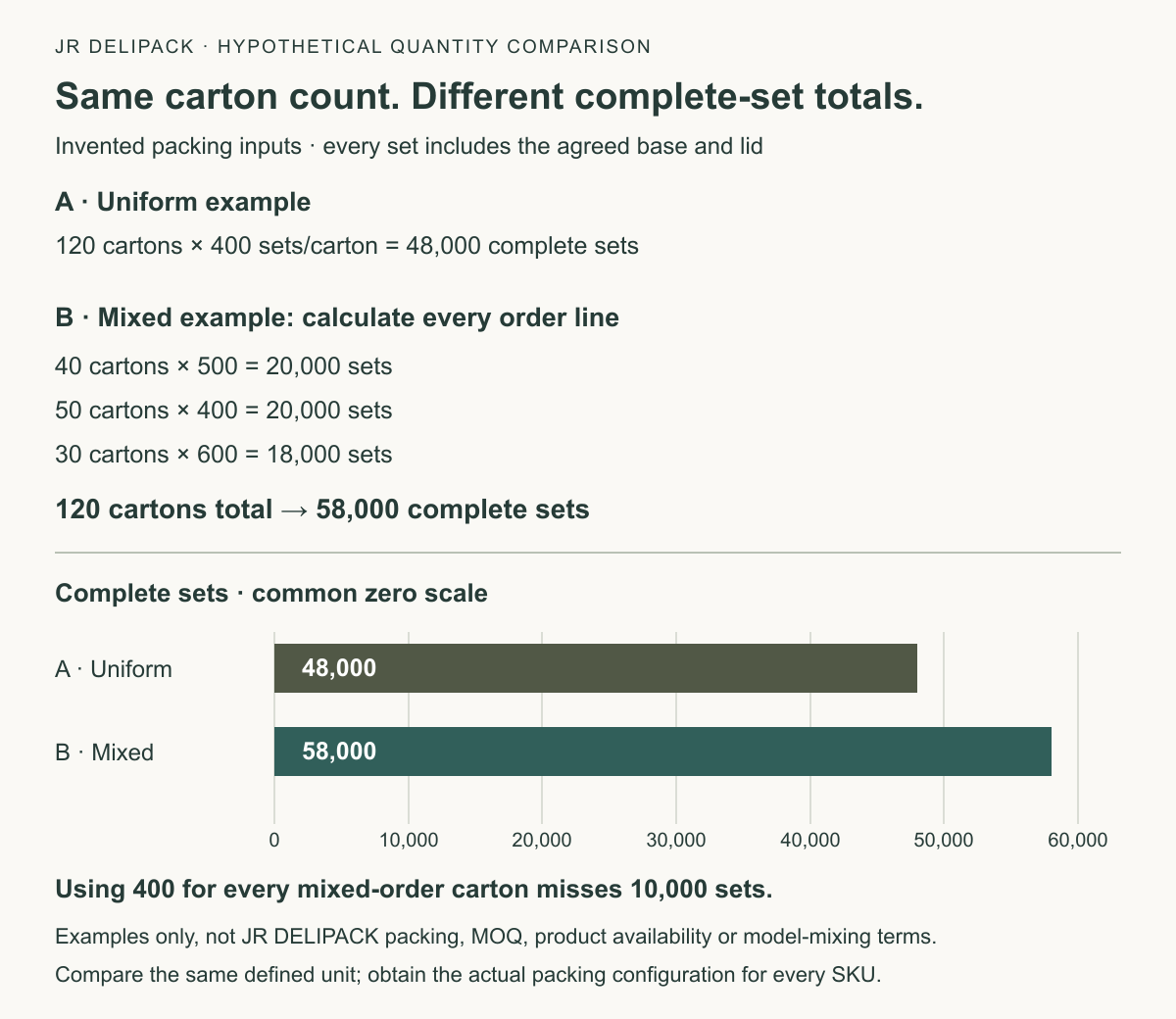
Hypothetical complete-set comparison: 120 cartons at 400 sets each totals 48000; separate lines of 40 cartons at 500, 50 at 400 and 30 at 600 total 58000, so a uniform 400-set conversion understates the mixed order by 10000 sets; not JR packing or MOQ

Buy disposable food containers by confirming the application, complete container-and-lid set, packing basis and evidence before comparing offers: a hypothetical order of 120 cartons containing 400 complete sets each supplies 48,000 sets, not 48,000 bases plus an unspecified lid quantity. These are assumed planning figures, not JR DELIPACK packing specifications or a quotation.

For distributors, importers and restaurant groups, the purchasing process should connect the foodservice need to an identifiable item and an agreed order. A catalogue description starts the conversation; it does not settle suitability, quantity or delivery responsibility. Use the following sequence to build a request that suppliers can answer consistently and your receiving team can later check.

Hypothetical complete-set comparison: 120 cartons at 400 sets each totals 48000; separate lines of 40 cartons at 500, 50 at 400 and 30 at 600 total 58000, so a uniform 400-set conversion understates the mixed order by 10000 sets; not JR packing or MOQ
Hypothetical mixed-order conversion: 48,000 sets using a uniform assumption versus 58,000 sets using the stated line-level packing. Not JR DELIPACK packing specifications or MOQ.

What foodservice problem must the order solve?

Begin with the menu, portion and service route. Describe what goes into the package, how it is filled, how long it is held, how it is transported and what the customer is expected to do with it. Keep required functions separate from preferences. A colour preference should not obscure a missing answer about the intended food-contact conditions.

The National Restaurant Association advises evaluating packaging during menu development, communicating required functions and trying samples with the actual food. Its sourcing guidance asks about portions, order volumes, service functions and whether the package must support freezing or reheating. This supports an application-led enquiry rather than a decision based only on a product photograph. 1: National Restaurant Association packaging sourcing · reference details

Write the brief so someone outside the kitchen can understand it. Replace “suitable for delivery” with the actual food, portion, handling steps and delivery conditions to be reviewed. Record seasonal or event-related changes separately from routine demand. Do not invent exact temperatures or durations to make a form look complete; identify who must confirm them and before which decision.

Use the menu-to-container selection guide for detailed format questions. At this stage, keep the overall brief focused on the purchase you are making. Separate requirements for different applications instead of asking one sample to represent every meal, operating condition and destination market.

For a group buying for several sites, ask each operation to confirm its own constraints before consolidating demand. A central buyer may prefer fewer formats, while individual sites have different portions, storage space or service routines. Record which requirements are shared and which belong to a particular application. Consolidation is a proposed purchasing decision, not evidence that every location can use the same item. Resolve those differences before requesting an aggregate price, so the quotation does not hide an unresolved suitability question.

Where disposal arrangements affect the brief, use the compostable-versus-PP comparison and disposal-infrastructure guide to frame the questions. Identify the intended collection and processing route without assuming that a material label guarantees access to it. Keep that decision distinct from the supplier’s ability to provide the selected format.

Which product and lid references belong on the request?

Identify the container base and closure as a usable combination. For separate components, record both references and the supplier-confirmed pairing. For a hinged format, identify the exact finished item. Include capacity description, dimensions, colour, component material and relevant limitations. Treat an unconfirmed value as unknown; do not copy a specification from a visually similar model.

A nominal capacity does not describe the entire portioning decision. Ask how that capacity is defined and compare the intended portion with the actual sample. Food mass and container volume are different quantities. Where the meal contains separate elements, explain the intended arrangement and any divider needs, then check the selected format rather than inferring suitability from a general family name.

Keep requested and accepted specifications distinct. If a supplier suggests an alternative, give it a separate reference until the buyer has reviewed the difference. A changed lid, packing arrangement or material is not merely an administrative substitution. Record what the alternative resolves, what remains unanswered and whether the original request is still being considered.

JR DELIPACK supplies PP, PLA and paper-based foodservice packaging with supply and manufacturing support. This guide focuses on the PP purchasing workflow. Use the product range to identify relevant formats; availability and specifications are confirmed for the selected model and order. A material category does not establish universal performance or certification.

How should carton quantities be translated into complete sets?

Ask what the order unit includes before using a carton count to estimate supply. Specify whether a quotation covers bases, lids, paired sets or a hinged item. Record the number of saleable units per inner pack and carton, and identify any separately packed components. Do not treat the supplier’s abbreviation for a unit as self-explanatory.

In the opening hypothetical order, 120 cartons multiplied by 400 complete sets per carton equals 48,000 complete sets. That calculation assumes each stated set includes the agreed container and closure. If the offer instead covers bases alone, the same arithmetic counts bases and says nothing about available lids. The item description and unit definition determine what the result means.

A mixed order requires a separate conversion for every line. Consider another invented example: 40 cartons at 500 sets each, 50 cartons at 400 sets each and 30 cartons at 600 sets each. The lines provide 20,000, 20,000 and 18,000 sets respectively, totalling 58,000 sets across 120 cartons. Applying a single 400-set conversion to that mixed order would understate it by 10,000 sets.

These examples show why equal carton totals do not imply equal quantities. They do not establish actual JR carton configurations, minimum-order combinations or interchangeable products. Keep the assumptions beside the calculation and verify each conversion against the accepted packing specification. For sleeve, piece and order-unit definitions, use the portion-cup packing guide rather than combining unlike units in one total.

Also request carton dimensions and gross weight for shipment and storage planning. Keep those measurements attached to the confirmed packing configuration and state their units. A change in pieces per carton may invalidate an earlier loading estimate. Compare practical storage and handling implications separately from quantity; more sets in a carton are not automatically better for every receiving operation.

What should the sample stage establish?

Use samples to resolve defined questions before committing to the selected configuration. Label the received components and retain the accompanying specification revision. Decide which menu items, handling steps and use conditions need evaluation. A clear sample request explains the decision it will support, rather than asking for a random assortment of popular products.

Plan a repeatable comparison with recorded conditions and acceptance criteria. Include the observations relevant to the application, such as closure engagement, filled handling, nesting, delivery presentation or the intended storage cycle. Choose quantities and repetitions for the risks being investigated; this overview does not prescribe a universal sample size. Preserve unsuccessful and interrupted observations as well as favorable ones.

Application checks and food-contact review answer different questions. A sample that closes neatly has not thereby established regulatory suitability, and a relevant document does not show how staff will handle the package. Use suitable safety precautions during evaluation. Avoid improvised tests involving unstable stacks, uncontrolled hot contents or food tasting as a substitute for the operation’s safety controls.

JR DELIPACK’s current buyer FAQ describes free standard samples, with the available quantity limited to a maximum of one carton and selection confirmed before dispatch. The buyer prepays shipping; eligible sample freight may be credited against a subsequent formal order under arrangements confirmed in writing before dispatch. Custom-made samples and samples requiring separate production are charged separately. Confirm the applicable selection, charges and credit record for the enquiry rather than extending the standard-sample policy to development work.

The sample-cost and approval guide separates the relevant cost lines. Keep commercial acceptance and technical acceptance in separate fields: agreeing to shipment charges does not approve the sample, and accepting the sample does not settle all order terms. Record the person responsible for each decision and any remaining conditions.

Which documents actually support the selected application?

Request evidence that identifies the component or material under review and its intended food-contact conditions. FDA explains that the regulatory status of food-contact materials depends on the substances involved and applicable authorizations. An effective food-contact notification has a defined manufacturer, substance and use scope; other authorization routes also exist. A generic “FDA” claim does not establish the selected order’s suitability. 2: FDA food-contact component guidance · reference details

Match the evidence to the actual base, lid and relevant construction. Record what a document supports, its limitations and any unresolved differences from the requested item. Ask for clarification when the sample identity or use conditions do not align. Do not infer that a report for one model, colour or material covers every product offered by the supplier.

Separate authenticity from applicability. A document can be genuine yet irrelevant to the proposed application; a blurry preview alone does not establish either conclusion. Arrange an appropriate controlled review of sensitive records without copying private factory identities or original certificates into public marketing. The food-contact document verification guide explains the evidence-matching process in more detail.

For JR DELIPACK’s publicly described evidence approach, review Factory and Quality. Any hot-food, microwave, freezer or dishwasher claim still needs support for the selected configuration and use. Keep destination-specific questions with the responsible reviewer; this procurement sequence is not a substitute for the applicable regulatory assessment.

The site’s general buyer FAQ is a navigation resource for recurring enquiries, not a replacement for model-specific confirmation.

How do you turn the brief into comparable quotations?

Send the same dated specification and packing basis to each supplier being considered. Ask suppliers to identify departures explicitly rather than replacing your assumptions silently. Compare complete usable configurations, not a base-only price against a paired-set offer. Keep quantity breaks, inclusions, exclusions, validity and any separate development charges visible before choosing a preferred offer.

Record the agreed trade term and the named location or port, then confirm the responsibilities that matter to the shipment. ICC’s Incoterms 2020 overview describes the rules as allocating costs, risks and obligations between buyer and seller. That is a reason to specify the transaction basis, not to assume that a familiar three-letter term answers every commercial question. 3: ICC Incoterms 2020 overview · reference details

Confirm payment arrangements, delivery milestones, document requirements and any order-specific agreements explicitly. Distinguish a requested arrival date from a confirmed production or shipment commitment. Where the buyer uses separate purchasing and logistics providers, identify the hand-offs and contacts without assuming either party has accepted tasks that were never discussed.

For standard PP products, JR DELIPACK’s current buyer FAQ states a 100-carton minimum per SKU; different SKUs do not combine to meet that minimum. Qualifying SKUs may be coordinated in one shipment when confirmed. The FAQ describes a planning allowance of 30 days or more from the factory-confirmed production start date for FOB shipment through Shekou, Shenzhen, excluding ocean transit. Custom colour, printing, packing, PLA and paper-product terms are quoted separately. Confirm the selected order’s terms and schedule in the written quotation; these statements do not guarantee an arrival date or unrestricted model mixing.

Use the quotation-scope guide for the detailed inclusion check. When evaluating operational costs, keep the packaging-cost analysis separate from the supplier’s quoted unit price. Unverified estimates should not be presented as confirmed savings or used to erase a missing suitability decision.

What must be agreed before the purchase is released?

Create a concise order record that ties the accepted specification to the quotation, sample findings and evidence review. Identify the approved product and closure, packing configuration, quantities, destination and commercial terms. Record unresolved items with an owner and a due date. A general statement that the supplier is acceptable should not conceal a model-specific question still awaiting an answer.

Distinguish requested, confirmed and conditional entries in the order record. Requested means the buyer has specified a need; confirmed means the relevant party has accepted the stated commitment; conditional means the decision still depends on an identified event or answer. This is a suggested working convention, not a supplier certification system. For example, a proposed shipment date should remain conditional if the artwork approval it depends on has not occurred. Do not erase the dependency when copying the date into an internal planning sheet.

Assign each unresolved item to someone able to answer it. Purchasing may reconcile the quotation, kitchen staff may document application observations, and a qualified reviewer may assess evidence applicability. These are example responsibilities rather than prescribed job titles. The release decision should identify which answers were received and which conditions remain open. When a condition changes, circulate the revised decision to the people whose work depends on it; an updated attachment is ineffective if receiving staff or the supplier still use an earlier version.

Use this final procurement checklist:

  • The intended food, portion, handling and customer-use conditions are clear enough to evaluate the selected configuration.
  • The container and closure references match the accepted samples and the supporting specification revision.
  • Each order line states its own unit and packing conversion, with separately packed components identified.
  • Relevant evidence has been matched to the item, use and destination, with limitations carried into the purchase record.
  • Sample observations and open issues have a recorded decision; unresolved critical suitability questions are not hidden by a favorable price.
  • The quotation states quantities, inclusions, exclusions, validity and agreed commercial responsibilities.
  • Receiving staff know which references, carton counts and documents to expect and whom to contact about differences.

Keep artwork approval separate where printing or labels are involved. The artwork version-control guide covers that workflow. The purchase order should identify the accepted version rather than relying on an attachment name such as “final.” A later artwork or specification change needs a recorded review of the affected commitments.

How should receiving and reordering use the same records?

Give receiving staff the accepted order basis before the shipment arrives. Compare delivered item references and quantities with that record, and distinguish a visible discrepancy from an assumed cause. Preserve carton labels, counts and relevant photographs when something differs. The carton-arrival shortage guide provides the focused receiving workflow.

Use the first delivery to close the purchasing loop. Record whether the supplied configuration matches what was approved and whether any agreed conditions remain outstanding. Update future enquiries from verified observations, not from memory. If the supplier proposes a change, review its effect on the approved pair and remaining inventory before treating it as the same purchase.

For split purchasing and logistics arrangements, follow the separate-sourcing responsibility guide. Keep named responsibilities, documents and hand-offs together. The aim is a traceable order that can be evaluated and received consistently, not a larger collection of disconnected certificates, sample photographs and email promises.

Frequently asked questions

Should I begin with a price request or a sample request?

Begin with a defined application and enough product detail to make either request meaningful. A supplier can then identify available options and the questions a sample should resolve. A price for an unspecified configuration is not a reliable basis for selecting an order.

Can different products share one carton-to-set conversion?

Only where the accepted packing specifications genuinely use that same conversion. Otherwise calculate each line separately, then total comparable quantities. Keep bases, lids, complete sets and hinged items distinct; an unchanged total number of cartons can represent a different usable quantity.

Does JR DELIPACK only supply PP packaging?

No. Current supply includes PP, PLA and paper-based foodservice packaging, with availability and specifications confirmed for the selected product and order. This guide focuses on PP procurement; it does not transfer PP use assumptions or documentation to another material category.

Does a successful sample check approve future deliveries automatically?

No. Keep the accepted configuration, conditions and findings identifiable, then check that delivered items match that basis. Address changes and discrepancies through the agreed review process. A sample observation should not be extended to unspecified models, materials or operating conditions.

Are the carton quantities in this guide JR packing specifications?

No. The 120-carton calculations use invented packing inputs to explain quantity reconciliation. Obtain the actual inner-pack and carton configuration for each selected item. The examples do not establish product availability, order acceptance, a model-mixing policy or a quoted price.

What information should I include in the first enquiry?

Provide the food application, intended use, preferred format, container and closure references if known, estimated quantity, destination and required timing. Identify any documentation or customization needs. Mark unknown values clearly so the supplier can answer them without silently substituting assumptions.

Send a defined procurement enquiry

Contact JR DELIPACK with the application brief, selected formats, quantities and destination. Request confirmation of the exact model, packing basis, evidence scope and quotation terms before placing the order.

References

1. National Restaurant Association — Don’t get boxed in: Do’s and don’ts in package sourcing. Original article. Published 6 April 2022; accessed 6 October 2026. Supports application-led sourcing and actual-food sample evaluation. Back to supported passage.

2. U.S. Food and Drug Administration — Determining the Regulatory Status of Components of a Food Contact Material. Original guidance. Publication date not provided on the reviewed page; accessed 6 October 2026. Supports component authorization and notification-scope distinctions, not blanket approval of a finished product. Back to supported passage.

3. International Chamber of Commerce — Incoterms 2020. Official overview. Publication date not provided on the reviewed webpage; accessed 6 October 2026. Supports the allocation-of-responsibilities description. The full commercial publication was not purchased or reproduced. Back to supported passage.

Are PP Takeout Containers Microwave Safe? A Buyer Verification Guide

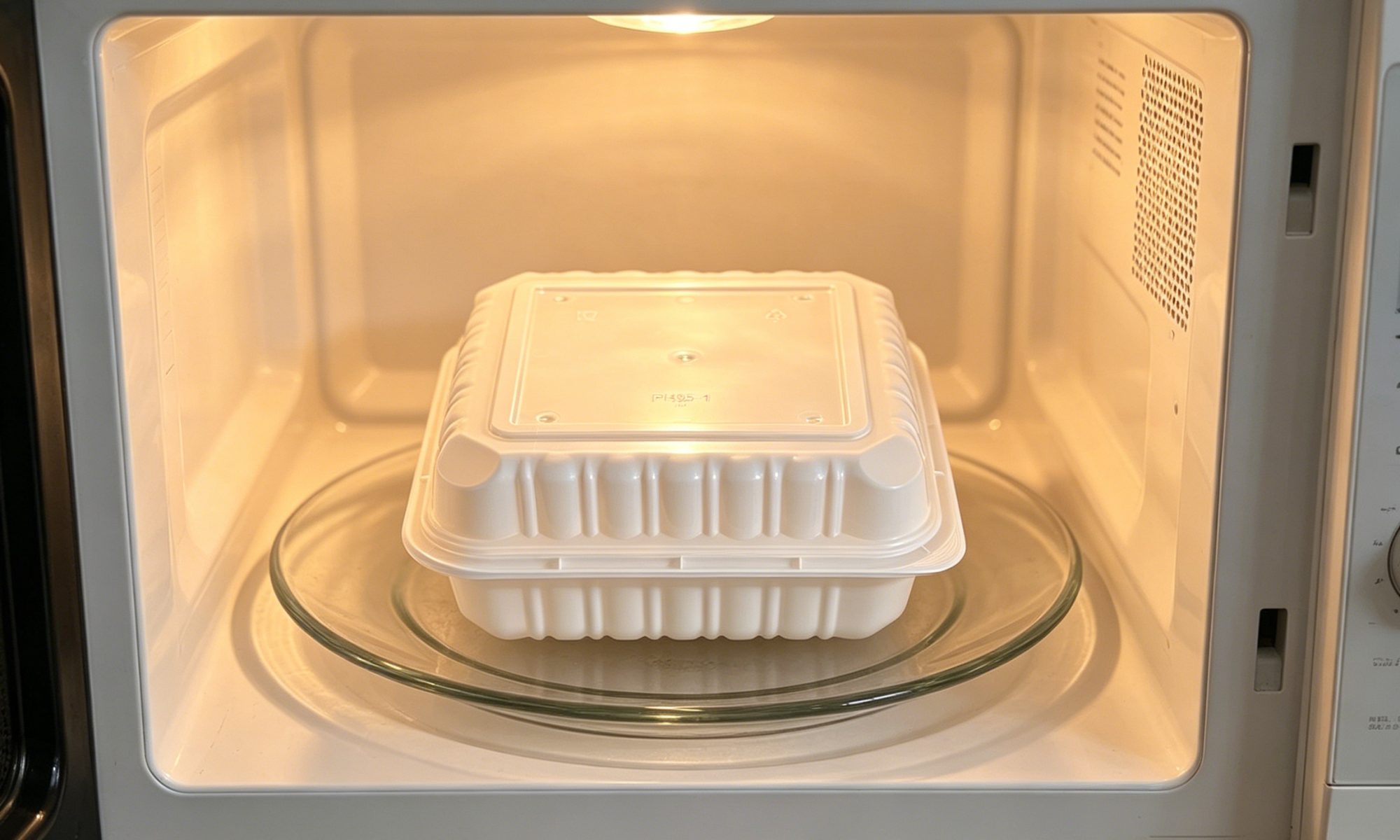
Illustrative black food bowl with a prepared meal

Treat microwave suitability as an exact-product, documented-use decision, not a blanket PP property: a hypothetical review of 3 container models, 2 already-supported lid configurations and 2 food profiles produces 12 application records. This calculation organises a purchasing review; it is not a safety test, a minimum sample size or permission to heat an unsupported container or lid.

A buyer needs an answer that survives the journey from supplier specification to restaurant instructions. Which container is being ordered? What happens to the lid during reheating? Which menu and equipment conditions are covered? The following workflow helps turn those questions into a reviewable purchasing record, without presenting a kitchen demonstration as laboratory evidence.

The official sources below concern the United States. They explain relevant distinctions, but do not establish a particular JR DELIPACK model’s suitability or replace the applicable requirements in another destination. The record templates and numerical examples are editorial purchasing recommendations, not FDA-prescribed procedures.

Illustrative prepared meal in a black food bowl on a work surface
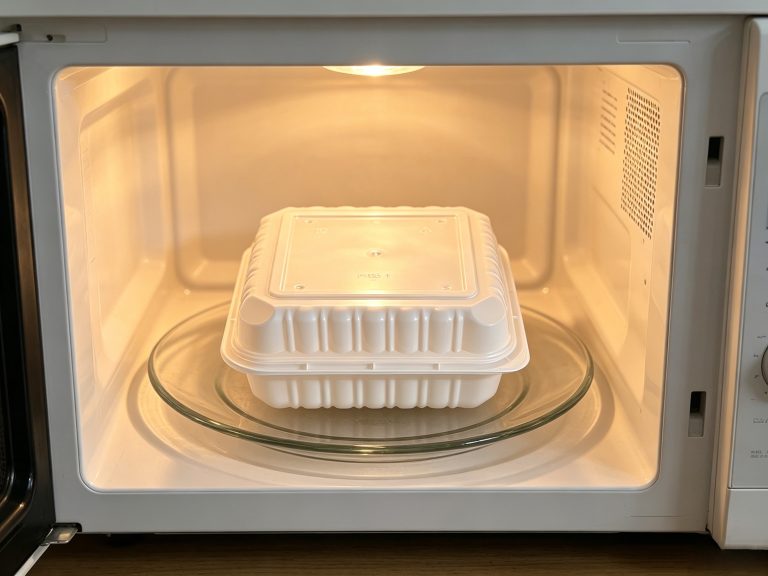
Illustrative prepared-meal packaging, not a microwave test or a verified material identification. Confirm the exact bowl and any lid against their supported instructions.

What should a microwave-use claim actually cover?

Start with the finished article and the instructions supplied for it. FDA advises using cookware made for microwave use and following the oven manufacturer’s instructions; it also explains that food can heat the container and melt some plastics. Material terminology alone is therefore an inadequate purchasing answer. 1: FDA microwave-oven guidance (reference details).

Ask the supplier to identify the base, compatible lid and relevant specification revision. Separate the permitted heating arrangement from the arrangement used during delivery. A transport closure instruction should not silently become a reheating instruction. If the supplied information is ambiguous, record the question as unresolved instead of letting a product photograph decide it.

Your internal approval should have a boundary that another employee can understand. For example, describe the particular menu application and the supporting instruction document rather than entering a single unchecked box called microwave safe. Do not invent a time or power limit to fill an empty field. An unanswered technical question needs clarification, not a plausible-looking number.

Why must buyers check the base and lid separately?

Treat a base and a separate lid as identifiable components in the purchasing record. Request their material declarations and product references independently, then connect them through the supplier’s compatibility statement. Do not infer lid material from transparency, or assume that a claim beside a base photograph covers every optional closure sold with it.

Record the exact lid instruction, including any required removal or venting, only as supported by the product documentation. An attached lid still needs a clear instruction; attachment is not evidence of an approved heating arrangement. Where the written directions conflict with the sales description, ask for a corrected, dated specification before approving the application.

This also improves stock control. Keep replacement lids and alternative base revisions distinguishable in purchasing and receiving records. A substitution that appears commercially equivalent may leave the existing instruction set unmapped to the delivered combination. For the separate physical closure question, use the lid-fit and leak-check buying guide; a closure result should not be extended into microwave-use approval.

Define the food and handling sequence before requesting evidence

FDA’s food-contact reference tables distinguish food types and conditions such as refrigerated storage without thermal treatment from prepared foods reheated in their containers. They are notification reference categories, not a ready-made microwave testing method. A storage-only description should not be treated as equivalent to a documented reheating application. 2: FDA food types and conditions of use (reference details).

Write the proposed sequence in ordinary language: filling, storage, delivery, any transfer of contents and the intended reheating step. Include the actual menu description rather than the loose phrase hot food. Ask a competent reviewer to relate that application to the available documentation; a restaurant menu name is not itself a technical classification. If the same package is used through frozen storage, review the freeze-thaw and stacking checklist for that part of the cycle.

Keep food safety and packaging suitability as connected but separate responsibilities. The restaurant’s validated food-handling procedures must still govern the food. This purchasing guide supplies no cooking schedule, reheating temperature or microbiological acceptance criterion. Choosing a container cannot substitute for those procedures, and a satisfactory food temperature does not, by itself, establish the container’s suitability.

Which documents belong in the review file?

Request the applicable product specification, instructions and the evidence supporting the proposed use. FDA describes the regulatory status of food-contact materials through their individual substances and applicable authorizations; where an FCN is relied upon, its manufacturer, substance and use conditions matter. A reference for a different source or use is not automatically transferable. 3: FDA component regulatory-status guidance (reference details).

For each document, note the issuer, identifying reference, revision or date, described product and the claim it is being used to support. Record any exclusions or missing mapping. A report may be genuine yet fail to answer the particular purchasing question. Keep that distinction visible so the supplier can resolve the actual gap rather than sending the same file again. Use the broader document guide to verify food-contact document scope without treating a generic material claim as product approval.

Use a controlled review when commercial or upstream information is sensitive. Necessary evidence can be reviewed through an appropriate confidential process without publishing source-factory records on a blog. The public guide should explain the evidence requested and its limitations, not expose private certificates, identifying numbers or unrelated supplier information. Escalate unresolved applicability questions to a qualified compliance specialist.

Build a practical application matrix without inventing test results

The opening example assumes that all proposed base-and-lid arrangements already have documented support for the intended kind of use. The matrix organises further review; it does not create that support. If only one arrangement is supported for a model, include only that arrangement instead of forcing the example’s numbers onto the order.

In the hypothetical case, three models multiplied by two documented lid configurations and two food profiles produce twelve records. Suppose nine records have complete document mapping and three await clarification. Administrative completion is nine divided by twelve, or seventy-five percent. The remaining three records are pending; the percentage is not a safety rating, product pass rate or estimate of failure risk.

Uneven product ranges need addition rather than a convenient multiplication. If the first model has four relevant records, the second has two and the third has three, the review contains nine records in total. Preserve the reason for those differences. Otherwise, a neat spreadsheet can hide the unsupported combinations that procurement most needs to notice.

Each record should link the components, intended application, document references, open questions and responsible reviewer. Keep a separate decision field with a written explanation. A complete file can still lead to rejecting the proposed use. Likewise, a supplier’s general statement may leave a file incomplete even when a particular application could eventually be supported.

How should an operational review be scoped?

Only plan an operational review after the intended use is supported and the product and appliance instructions are understood. Ask the supplier or an appropriate specialist to help define the method where necessary. Do not use an unknown container in a kitchen experiment to discover whether a missing microwave-use claim might be true.

Agree the purpose before observing anything. A review might examine whether staff can identify the correct components, follow the documented lid instruction and handle the approved packaging within the established workflow. Record the product revision, food application, equipment and procedure used. Do not vary those conditions casually and then combine all observations as though they describe one controlled comparison.

Choose the number of specimens and acceptance criteria with the responsible technical reviewer, not from the arithmetic example above. The application record count and specimen count are different quantities. Retain dated observations and deviations, including adverse results. If a problem occurs, stop the affected evaluation and investigate; a later successful demonstration does not erase the earlier record.

What cannot be proved by a container that looks unchanged?

Appearance is only one kind of observation. FDA describes food-contact safety assessment as including migration and toxicological information related to intended use. A photograph or visual inspection cannot supply those data. It can document visible condition, but should not be presented as chemical safety clearance or regulatory certification. 4: FDA food-contact information for consumers (reference details).

Write observations narrowly. State which specimen was examined, under which documented procedure, and what was actually seen. Avoid translating no visible deformation into safe for all foods, unlimited reheating or safe at any temperature. Those statements expand the conclusion beyond the observation and beyond the defined procurement question.

Keep the evidence types separate in the approval file: supplier instructions, applicable technical documentation, operational observations and the final purchasing decision. This makes the reasoning auditable without pretending that every document answers every question. A missing technical basis remains missing even if the handling demonstration is convenient and the packaging looks commercially attractive.

Convert the review into usable staff and customer instructions

Prepare proposed instructions from the supported specification, not from a competitor’s label or a generic internet summary. Have the responsible reviewer check that every substantive direction maps to the approved application. If different components require different handling, make the distinction explicit rather than relying on a vague statement printed beside the brand name.

Check the instruction across the actual customer journey. The carton, sales listing, order confirmation and any restaurant-facing information should describe the same supported use. If only the outer carton carries an important limitation, decide how that information will reach the people handling individual containers. Do not assume that an end user will consult a wholesale specification sheet.

Use an instruction-review log before approving artwork. Record the wording, version, applicable models, languages and reviewer. Translation needs to preserve the conditions, not merely the promotional tone. If the destination or use changes, reopen the relevant review instead of copying the previous label onto the next order. Clear instructions are part of the deliverable, not an afterthought once stock arrives.

Keep purchasing, receiving and change control connected

Place the agreed component references and specification revision in the purchase order. Link the approved instructions and evidence file by an agreed reference. Confirm the packing configuration and component quantities separately from the technical use decision. A correct carton count does not establish suitability, but an unclear order can still deliver the wrong combination for an otherwise well-supported application.

At receipt, reconcile the delivered references and lot information against the agreed order before distributing stock to multiple sites. The proposed check is a traceability step, not a replacement for a quality assurance plan. Keep discrepancies visible and obtain a documented resolution. Do not substitute an alternative lid merely to clear a shortage unless its pairing and use are supported.

Ask for notification of relevant specification or component changes and identify who can approve them internally. On a change, record which existing applications need reassessment and what happens to old inventory. Preserve the earlier decision and its scope. A new version should explain what changed rather than silently making the previous approval appear to cover a different product.

A concise pre-order review checklist

Use this suggested checklist as a handover between purchasing and the responsible technical reviewer. Attach the supporting records; a series of ticks without evidence does not answer the questions. Where an item is unresolved, name the missing information and the person responsible for obtaining it.

  • Identify the exact base, lid, materials and specification revisions proposed for the order.
  • Describe the intended food application, destination and sequence from filling to end use.
  • Map the supplier’s microwave instructions to each proposed configuration and record unresolved ambiguities.
  • Link applicable technical evidence to its specific product, use and limitations, with qualified review where needed.
  • Define any operational evaluation only within the supported instructions, with an agreed method and documented observations.
  • Check that proposed sales wording and customer instructions stay within the supported application.
  • Connect the approved configuration to purchasing, receiving, substitution and change-notification records.

The useful output is a limited, explainable decision for the actual order. If evidence is missing for one configuration, keep that configuration pending while continuing work on independently supported alternatives. Do not convert uncertainty into an unrestricted claim, and do not describe an incomplete review as a successful product test.

Discuss the selected application with JR DELIPACK

JR DELIPACK supplies PP, PLA and paper-based foodservice packaging with supply and manufacturing support. Start with the product range and factory and quality information to frame a model-specific enquiry. Availability and supporting evidence must be confirmed for the selected product and intended use; this article is not a catalogue-wide microwave-use guarantee.

For a focused review, contact JR DELIPACK with the proposed model, lid requirement, menu application, destination and order quantity. Include the intended handling sequence and any unresolved instruction or document questions. The wholesale buyer’s guide covers broader purchasing comparisons, while the product and quotation FAQs provide general enquiry context.

Frequently asked questions

Does a PP material description establish microwave suitability?

No. Request support for the finished container and the particular intended use. Identify the compatible lid and follow the applicable instructions. Do not substitute a resin description for the product-level review described above, or extend one supported application to an entire range.

Can a clear lid remain on during reheating?

Only use the exact lid in the arrangement supported by its documentation. Transparency does not identify the permitted heating configuration. Obtain clarification if the product directions do not answer the question; do not improvise a venting or removal rule for an unverified product.

Does a BPA-free statement answer the microwave question?

A claim about one substance does not identify the permitted heating arrangement, compatible lid or application limits. Assess the microwave-use question on its own supporting evidence. Keep any separate substance claim within its verified scope rather than using it as a substitute for that assessment.

Is the twelve-record example a required testing programme?

No. It is a hypothetical way to count application records for an assumed product range. It specifies neither specimen numbers nor an acceptance standard. Technical evaluation methods and sampling need an appropriate basis for the actual products and intended decision.

Can a successful kitchen observation replace technical documentation?

No. Record operational observations for their stated purpose and retain the separate evidence supporting the intended use. An unchanged appearance is not migration data. If the technical basis is unresolved, ask the supplier or a qualified specialist rather than treating the observation as a complete clearance.

Does microwave suitability also approve repeated reuse?

Do not assume that a documented heating application establishes an unrestricted reuse claim. Ask what uses and limitations are actually covered, including any relevant repeated-use conditions. Keep the purchasing decision within that scope, and seek separate evidence for an additional claim.

References

  1. FDA, Microwave Ovens, especially “Cooking with Microwaves” and “Tips on Safe Microwave Oven Operation.” Publication date not provided. Reviewed 6 October 2026. General cookware and appliance guidance, not evidence for a particular packaging model. Back to citation.
  2. FDA, Food Types and Conditions of Use for Food Contact Substances. Publication date not provided. Reviewed 6 October 2026. Notification reference categories, not a microwave test protocol. Back to citation.
  3. FDA, Determining the Regulatory Status of Components of a Food Contact Material. Publication date not provided. Reviewed 6 October 2026. Component authorization and use-scope guidance; specific applicability still requires review. Back to citation.
  4. FDA, Food Packaging and Other Substances that Come in Contact with Food: Information for Consumers. Publication date not provided. Reviewed 6 October 2026. Migration and toxicological assessment context, not a finished-SKU approval. Back to citation.

California Food-Container Packaging Compliance: A SKU-by-SKU Buyer Checklist

Illustrative foodservice bowl used with a prepared meal

Before buying food containers for California, review each SKU and detachable component separately: SB 54’s 2032 requirements include 25% source reduction and a 65% recycling rate for plastic covered material, not certification of your container. Match the exact material, form, intended food use and label claim to supporting evidence, and identify the responsible U.S. business before approving the order. CalRecycle’s covered-material report, pages 1–2 [3]

This guide separates document readiness from a legal compliance decision. A supplier can provide model-specific records and explain the product being quoted; the buyer’s responsible team still needs to determine the obligations for its own business, distribution channel and claims. Use the worksheet below to identify what is ready, what is missing and who must resolve each issue.

Illustrative foodservice bowl used with a prepared meal
Illustrative foodservice use. The image is not a customer endorsement, product test or California compliance record.

This guide is a procurement checklist, not legal advice or a product-compliance determination. California requirements and litigation can change. Importers, brand owners, distributors, manufacturers and foodservice operators should confirm current obligations with qualified counsel and the responsible agencies before making a claim or placing a product on the market.

What the numbers do—and do not—tell a buyer

The Census Bureau’s July 1, 2025 estimate places California’s population at 39,355,309. That describes population, not restaurants, packaging purchases or wholesale container demand. It cannot establish the claim that California has America’s largest food-container market. A market-size comparison would require a defined product category and comparable sales or trade data, not population alone. U.S. Census Bureau, California population estimate [1]

The SB 54 figures have a different scope. CalRecycle’s report identifies the 2032 plastic reduction and recycling requirements and the requirement for covered material to be recyclable or eligible for compostable labeling. These are not already-achieved outcomes. The report also distinguishes category determinations under SB 54 from the legality of a particular product’s label under other laws. CalRecycle’s covered-material report, pages 1–3 [3]

This distinction prevents a common market-research error: treating a broad statewide statistic as SKU-level evidence. A useful procurement analysis has at least four columns: the item or component; the relevant legal or program scope; the evidence available for that exact item; and the person responsible for verifying it. If one of those fields is unknown, record the gap rather than filling it with an industry-wide assumption.

How should a buyer map products and components?

Start with a component map, not a certificate folder. Record the base, lid, insert, sleeve and other parts, including known coatings and attachments. Do not assume that components sold together have identical materials. CalRecycle’s list combines material and form and says its categories are intended to apply to each detachable component individually. CalRecycle’s component classification explanation, page 1 [3]

For every sellable SKU, capture at least:

  • model or internal SKU identifier and product drawing revision;
  • body, lid and accessory materials, including known coatings, inks and adhesives;
  • dimensions, capacity, compartment configuration and carton pack quantity;
  • intended food type and contact conditions, including hot fill, reheating, frozen storage or room-temperature use as applicable;
  • any environmental wording or symbol on the product, packaging, specification sheet or online listing;
  • the intended sales channel and the U.S. importer, brand owner or other party that will place the product on the market;
  • the supporting document, its date, issuing party, covered model or material, and any limitations.

This is a buyer-created traceability worksheet, not a form mandated by California. Its purpose is to stop a supplier declaration for one material or model from being reused for a different SKU without checking scope. If an item changes resin formulation, colorant, coating, manufacturing site, geometry or label, note the revision and ask whether existing evidence still covers it.

Who should confirm responsibility before quoting?

Identify the responsible U.S. business before treating supplier documentation as a complete answer. CalRecycle provides separate guidance on producer definitions, exemptions and requirements; the overseas factory, importer, brand owner and distributor should not be treated as interchangeable roles. CalRecycle Producer Guidance [11]

Before a commercial quotation becomes a purchase commitment, identify the U.S. entity that will import, own the brand, sell the item or otherwise have a role under the applicable rule. Ask that party and its compliance adviser to determine whether it is a producer, whether the material is covered, and whether an exemption, exclusion or reporting duty applies. CalRecycle publishes program information and covered-material resources, but a general page cannot determine a particular company’s status without the facts.

For suppliers, the practical contribution is a complete, version-controlled product data pack: material declarations, component breakdown, product drawings, intended use, carton information and evidence linked to the exact model. Do not promise that a buyer is exempt, that the product is “SB 54 compliant,” or that a certification transfers obligations unless the responsible party has confirmed the basis.

SB 54: check category, scope and implementation status

SB 54 establishes an extended producer responsibility program covering packaging and single-use plastic food-service ware. CalRecycle publishes current program information, producer guidance and category updates. A material name alone does not determine the buyer’s obligations. CalRecycle SB 54 program [2]

Use the current CalRecycle covered-material category list as a starting point. Match the physical form and material of each component to the relevant row; record the date of the list you checked; and save the supporting document with the SKU file. If the component does not clearly fit, ask a qualified compliance reviewer rather than choosing the most favorable category. The list and program page should be rechecked before a major launch, annual reporting cycle, or packaging redesign because the agency publishes updates.

Do not turn a statewide goal into a supplier product claim. For example, a 2032 recycling-rate goal does not prove that a particular container will be collected or recycled in a buyer’s municipality. A material’s technical recyclability, whether it is accepted in a local collection system, whether facilities sort and process it, and whether a specific label is permitted are separate questions.

SB 343: treat recycling claims as a live, date-sensitive review

CalRecycle explains that SB 343 restricts recycling representations, including chasing arrows, by reference to statutory criteria. Its studies inform the assessment but do not approve a particular product’s label. CalRecycle SB 343 guidance [4]

As checked on October 6, 2026, the agency identifies October 4, 2026 as the scheduled manufacturing-date threshold, but reports a July 14 preliminary injunction blocking SB 343 enforcement. It warns that litigation may affect the deadline. Do not present the scheduled date as an unqualified active enforcement deadline; confirm the current notice and court order with qualified counsel before a label decision. CalRecycle’s current litigation notice [4]

For each label claim, keep the exact artwork, SKU and revision; identify the legal basis and evidence; and note who reviewed the claim and when. Separate “contains PP” or a resin code from a claim such as “recyclable.” If local acceptance is mentioned, identify the geography and collection program rather than implying universal availability. Reassess wording on cartons, product pages, catalogs and marketplace listings, not only on the container itself. For the operational distinction, review reuse and recycling claim boundaries alongside the destination-specific requirements.

Compostability and material claims need finished-product scope

Review a compostability claim against the finished product and specified conditions. CalRecycle identifies ASTM D6400-19 for compostable plastic and ASTM D6868-19 for plastic-coated fiber, alongside additional labeling requirements. Material names such as PLA or paper are not substitutes for this assessment. CalRecycle’s compostable-product requirements [5]

A certificate or test report is only useful when its scope matches the finished product. Compare the report’s model, construction, thickness, coating, additives, colorants, test method, date and issuing organization with the item being sold. Ask what conditions are required for the claimed end-of-life route and whether the relevant collection and processing infrastructure exists in the destination market. Industrial compostability does not mean home compostability, and neither one means the item belongs in a recycling bin.

Never infer that PLA is automatically compostable in every setting, that paper is free of coatings, or that a compostable mark establishes acceptance by every local facility. If a product-specific document is missing or a claim’s scope is unclear, remove or qualify the claim pending review instead of stretching another SKU’s evidence.

What does FDA food-contact documentation actually support?

Review food-contact documentation separately from environmental claims. FDA explains that the status of a food-contact article depends on its constituent substances and the authorization route applicable to each substance and intended use. A generic “FDA certificate” should not replace that scope check. FDA’s food-contact component guidance [6] Use the food-contact document verification guide to match the evidence to the actual component and intended use.

For hot food, reheating, frozen storage or oily and acidic foods, specify the intended conditions before asking which document applies. FDA’s reference tables distinguish food types and storage or heating conditions. Match the actual application to the documented scope, rather than selecting the closest-sounding test description. FDA Food Types and Conditions of Use [8]

An effective Food Contact Substance Notification identifies the relevant manufacturer or supplier, substance, intended use and limitations. FDA says a purchaser can rely on the notification for the notified substance from that manufacturer or supplier, consistently with its limitations. Trace that connection; do not treat an unrelated company’s notification as interchangeable. FDA’s effective FCS notification inventory and scope explanation [7]

A useful review packet includes the material declaration, applicable FDA regulatory basis or FCN reference when relevant, conditions of use, supporting test reports, and a change-control contact. Keep confidential formula details protected; the buyer needs sufficient evidence to assess scope, not an unrestricted copy of another company’s proprietary file.

Proposition 65 and chemical questions: use a risk-based process

OEHHA describes Proposition 65 warning requirements in terms of exposure to listed chemicals and applicable risk levels. The material name alone does not settle a warning decision. OEHHA’s Proposition 65 explanation [10] Ask the responsible supplier for relevant declarations or testing, intended-use information and model scope. Have the responsible business obtain qualified advice for its specific exposure and warning assessment.

For proposed claims such as “PFAS-free,” ask the laboratory or qualified reviewer what was measured, what the method cannot establish and how the result relates to the intended claim. Record the method, reporting limit, sample construction and date. Avoid converting a laboratory result into a broader statement that the reviewer has not supported.

Channel matters. CalRecycle’s SB 1335 program covers defined state-facility foodservice operations, including specified state-property concessionaires and contractors. It maintains an approved packaging list and identifies exempt items. Do not treat that channel’s requirements or an entry on its list as universal approval for every California sale. CalRecycle’s SB 1335 scope and packaging list [9]

Which other material, accessory and destination checks should remain in the file?

Keep EPS distinct from PP when comparing alternatives. CalRecycle reports that the required 25% EPS recycling rate has not been demonstrated and that restrictions on producers selling, offering, distributing or importing EPS food-service ware have applied since January 1, 2025. Its guidance distinguishes producers from other businesses; do not turn this into an unsupported claim about every restaurant or every plastic container. CalRecycle EPS requirements and scope [12]

Plant-fiber packaging needs its own chemical review. AB 1200 defines the relevant food packaging by its substantial paper, paperboard or other plant-fiber composition, and prohibits regulated PFAS. Its definition covers intentionally added PFAS with a functional or technical effect, as well as the specified total-organic-fluorine threshold. Check the actual construction and current requirements rather than extending a PP document to a fiber lid, coated paper box or sleeve. California Attorney General: AB 1200 enforcement advisory [13]

For accessory orders, review how the customer dispenses the item. AB 1276 sets request-based rules for specified foodware accessories and single-use condiments, limits compulsory mixed bundles, and includes exceptions and permission for stricter local rules. Do not describe every business or service setting as identical. AB 1276, sections 42270–42273 [14]

As a purchasing method, ask the operator to confirm its service channel before approving a pack format. Separately record each destination city, county and public-contract requirement that its reviewer has checked. A warehouse address or port of entry is not a complete destination list. Keep each location’s official source, review date and unresolved question beside the SKU. When a distributor adds a new restaurant group or service area, revisit that location record instead of assuming the original review covers the expansion. This location worksheet is practical guidance, not a claim that the checklist itself grants market access.

A practical SKU-level readiness worksheet

The following is a buyer workflow, not an agency-mandated certification:

Review field What to record Why it matters
Identity SKU, drawing revision, body/lid/accessory components Keeps evidence tied to the item being quoted
Material and form Resin or fiber, coating, inks, adhesives, detachable parts Helps map SB 54 category and claim scope
Intended use Food type, temperature, reheating, storage and service setting Supports food-contact document review
Claim inventory Exact words, symbols and locations used in artwork or listings Prevents unsupported environmental representations
Responsible party Importer, brand owner, producer or other relevant entity Directs legal and reporting questions to the right party
Evidence Document name, issuer, date, model scope, method and limitations Shows what the evidence does and does not prove
Geography California statewide rule plus relevant local program Separates state requirements from local collection realities
Decision and owner Open issue, reviewer, decision date, next review date Creates a traceable approval path

Example using a hypothetical order: a buyer plans to quote a PP base with a separate lid and a printed sleeve. The buyer should not assume the base, lid and sleeve share one material classification or one environmental claim. It records each component, checks the current covered-material list, identifies the entity responsible for the California sale, confirms the food-contact conditions, and reviews every recycling or compostability statement. If the base has a food-contact document but the sleeve’s coating is undocumented, the file is partially complete—not “compliant” as a whole. The next step is to request evidence for the sleeve or remove the unsupported claim, then have the responsible reviewer decide whether the order can proceed.

To make that review trackable, assume this example contains 10,000 complete sets, each with one base, one lid and one sleeve. The purchasing worksheet then covers 10,000 × 3 = 30,000 component pieces but only three component types. If the file contains satisfactory scope records for the base and lid but none for the sleeve, the document-completion indicator is 2 ÷ 3 × 100 = 66.7% of component types. This is a hypothetical administrative measure, not a compliance score, laboratory pass rate or permission to release two thirds of the order. One unresolved component can still require a decision affecting the whole assembled package.

Assign each open item to a named role within the buyer’s team, with a specific next action. For the missing sleeve record, the action might be to obtain the coating specification and relevant declaration, then ask the designated reviewer to assess them. Record the question, request date and decision basis rather than using a generic “pending certificates” note. The commercial team can then distinguish an information request from an unresolved product choice or a legal interpretation that the supplier cannot make for the buyer.

Repeat the exercise when a component changes, without discarding the records for unchanged parts. If the approved drawing revision remains the same but a different lid is proposed, identify exactly which evidence must be checked again. Do not copy the previous review date onto the replacement component. Keeping the earlier version alongside the new decision makes the purchasing trail easier to follow and prevents an apparently complete folder from concealing an unreviewed substitution.

What to ask a supplier before approving artwork or a purchase order

Ask for the model-specific bill of materials and component drawing; intended food and temperature conditions; carton configuration; applicable food-contact documentation and its limitations; test reports tied to the exact model; substantiation for environmental claims; and written notice of formulation, site or component changes. Ask which party in the U.S. will assess producer status and reporting obligations. For a recycling or compostability representation, request the precise legal and technical basis, geography, collection route and review date.

Avoid a vague request for “all FDA and green certificates.” Instead, identify the SKU, component, claim and use case. This makes the response easier to verify and reduces the risk of receiving unrelated documents. If documents contain confidential source details, request a redacted scope statement or a qualified third-party confirmation; do not publish a factory’s private certificate or identifying information as marketing material.

For a quotation, separate product price from unresolved compliance assumptions. State which model and revision are quoted, what documentation is included, what the buyer must verify locally, and which artwork claims are excluded until approved. Do not promise that a product can be sold in every California channel simply because a similar product has been sold elsewhere.

How can JR DELIPACK support the next procurement step?

For product-specific compliance records, start at JR DELIPACK’s food packaging compliance evidence page; it explains that records are product- and scope-specific and that public previews are not blanket certifications. The separate factory and quality evidence page describes the controlled document-review process. For material selection, compare the intended use and exact SKU in the PP, PLA and paper-based foodservice packaging overview; for a broader wholesale workflow, see the B2B food-container buyer’s guide. Buyers can send the chosen model, quantity, destination and intended use through the JR DELIPACK contact page to request model-specific information. These pages describe the supplier’s range and enquiry route; they do not replace legal or regulatory review.

Frequently asked questions

Does California’s population prove that it is the largest market for food containers?

No. The Census figure measures residents, not food-container sales or addressable wholesale demand. A market-size claim needs a defined product category, geography, period and relevant dataset. California QuickFacts [1]

Does SB 54 certify an individual PP food container?

No. Check the current program requirements, product category and responsible party separately. The covered-material report expressly limits what its category determinations establish. CalRecycle’s CMC report [3]

Is SB 343 being enforced after October 4, 2026?

The agency currently reports a preliminary injunction blocking enforcement. Verify the live notice and relevant court order before relying on a deadline; this guide does not offer a legal interpretation. CalRecycle’s SB 343 notice [4]

Is a number inside the chasing-arrows symbol enough to claim a PP container is recyclable?

Do not use the code alone as approval for the claim. Review the exact artwork, item and applicable criteria with the responsible reviewer. CalRecycle’s recycling-label guidance [4]

Does an FDA test report approve every size and formulation from a supplier?

Not automatically. Verify the substance, manufacturer, use and limitations before applying the document to another model. FDA’s component authorization guidance [6]

Can a supplier promise that its PLA or paper product is compostable everywhere?

Not on material name alone. Check the finished product, the proposed wording and the required conditions; home-compostable labeling has its own requirements. CalRecycle’s compostable-label requirements [5]

What should a buyer do if a certificate names a different manufacturer or product?

Ask the issuer or qualified reviewer to establish the connection. For an FDA notification, confirm that the material is from the notified manufacturer or supplier and is used within the notification’s limitations. Keep that answer with the product file. FDA notification scope [7]

References

  1. U.S. Census Bureau, QuickFacts: California. Population estimate reference date: July 1, 2025. Publication date not provided. Back to citation.
  2. CalRecycle, Plastic Pollution Prevention and Packaging Producer Responsibility Act. Publication date not provided. Back to citation.
  3. CalRecycle, SB 54 Covered Material Category List January 2026 Update. Released December 31, 2025, for the January 2026 update. Back to citation.
  4. CalRecycle, Accurate Recycling Labels. Publication date not provided; includes a notice concerning the July 14, 2026 injunction. Back to citation.
  5. CalRecycle, Truth-in-Labeling Laws: Protecting California Consumers from False Marketing Claims. Publication date not provided. Back to citation.
  6. FDA, Determining the Regulatory Status of Components of a Food Contact Material. Publication date not provided. Back to citation.
  7. FDA, Inventory of Effective Food Contact Substance Notifications. Publication date not provided. Back to citation.
  8. FDA, Food Types and Conditions of Use for Food Contact Substances. Publication date not provided. Back to citation.
  9. CalRecycle, Sustainable Packaging for the State of California Act of 2018. Publication date not provided. Back to citation.
  10. OEHHA, About Proposition 65. Publication date not provided. Back to citation.
  11. CalRecycle, Producer Guidance. Publication date not provided. Back to citation.
  12. CalRecycle, Expanded Polystyrene Food Service Ware Requirements. Publication date not provided. Back to citation.
  13. California Attorney General, AB 1200 Enforcement Advisory: Food Packaging and Cookware. October 17, 2023, pages 1–2; summarizes Health and Safety Code section 109000. Check current code and application to the order. Back to citation.
  14. California Legislature, AB 1276: Single-Use Foodware Accessories and Standard Condiments. Filed October 5, 2021; chaptered text. Check current code and local requirements. Back to citation.

Source and status review date: October 6, 2026. Agency guidance and litigation may change; recheck primary sources immediately before any publication or buyer decision.

China-to-US Plastic Tableware Imports: Top 10 States and a 12-Month Buyer Analysis

Illustrative food container used for a heating check

Use China-to-US plastic tableware import data to screen distribution questions, not to estimate local restaurant demand: our calculation from U.S. Census Bureau files totals $2.350 billion for August 2025–July 2026, with California representing 36.02% of reported destination value. The filter is HS 392410, origin China, and general imports; it does not isolate disposable PP food containers. Census monthly data files [1]

For an importer or foodservice distributor, the useful next question is where the proposed stock will actually be received, held and sold. This guide preserves the original article’s state-ranking purpose while separating observed customs statistics from purchasing assumptions. It includes the refreshed ranking, a monthly series, a check of the earlier period and a practical way to turn the findings into a sourcing brief.

What does this dataset actually measure?

HS 392410 covers plastic tableware and kitchenware. The USITC classification includes several product groups, not a dedicated disposable PP takeaway-container category. Treat this as a broader category indicator. A specific shipment’s classification must be established from its actual goods; this article is not a classification ruling or a tariff quotation. USITC: 3924.10 classification [2]

The origin filter uses Census country code 5700 for China. Hong Kong and Taiwan have separate country codes and are not combined with that selection here. Keeping the country filter visible matters when a sourcing team compares this article with a workbook labelled simply “Asia imports.” Those are different populations and should not silently share a denominator. Census Schedule C country codes [3]

We use general-import value, not imports for consumption. Census distinguishes arrivals, including goods entering bonded warehouses or foreign-trade zones, from goods that have cleared into consumption channels. Customs value generally excludes import duties, international freight and insurance. It is therefore not the delivered cost that a foodservice buyer would pay. Census: coverage and customs valuation [4]

These distinctions change the purchasing question. A buyer comparing suppliers needs a consistent product, commercial unit and delivery basis. The statistical total cannot tell that buyer whether a quoted lid is included, which configuration was tested or what a particular warehouse will charge. Use the trade series to organise investigation, then replace broad assumptions with the actual information required for the order.

Illustrative food container used for a heating check
Illustrative food-container scene supplied by JR DELIPACK. It does not establish a tariff classification, a heating test result or suitability for a particular use.

Which states have the highest reported destination values?

For August 2025 through July 2026, the ten highest values among the fifty states are shown below. Their combined value is $1,855,870,986, or 78.98% of the $2,349,713,573 total across all reported destination codes in the selected files. These are our aggregations of Census records, not an agency-published ranking of food-container buyers. 2025 historical files and 2026 files [5]

Rank Reported destination state General-import value, USD Share of all reported destination value
1 California $846,356,812 36.02%
2 New York $243,711,489 10.37%
3 Texas $147,217,424 6.27%
4 New Jersey $130,743,381 5.56%
5 Georgia $117,531,303 5.00%
6 Illinois $94,094,161 4.00%
7 Virginia $77,110,478 3.28%
8 Washington $74,412,865 3.17%
9 Florida $62,444,557 2.66%
10 Pennsylvania $62,248,516 2.65%

The denominator includes Puerto Rico, the District of Columbia, the U.S. Virgin Islands and unidentified destination code XX where reported. Their respective selected totals are $6,961,817, $15,737, $70,546 and $51,897. They are disclosed separately rather than presented as additional states in the ranking. Percentages use unrounded dollar values; adding the displayed rounded percentages can produce a small rounding difference.

California has the highest reported destination value in this filtered series. That finding does not establish the largest end-user food-container market. Census warns that an import destination can be an intermediary, storage or distribution point rather than the final place of use. The data do not track subsequent interstate movements. Census: State Import Data FAQ [6]

An operationally useful reading is therefore to ask what distribution arrangement sits behind a proposed location. Is the buyer supplying one local restaurant group, several regional warehouses or a national resale network? Which location receives the import and which locations consume the stock? Ask those questions before translating the state ranking into a warehouse decision. The ranking alone cannot choose the answer.

A smaller reported state total should not automatically remove a qualified buyer from a sourcing plan. That buyer may purchase through an out-of-state distributor or receive products through a different logistics arrangement. Conversely, a large reported total is not proof of a large number of accessible customers. Keep commercial account qualification separate from the geography of declared imports.

What changed across the selected twelve months?

The selected monthly values range from $162.806 million in April 2026 to $220.916 million in June 2026. The twelve-month mean is $195.809 million. July 2026 is $216.109 million, compared with $209.892 million in August 2025: a first-to-last increase of 2.96%, not a year-over-year comparison. The table retains every month rather than using only favourable endpoints. Census source files and periods [1], [5]

Month General-import value, USD Recorded air + vessel gross shipping weight, kg
August 2025 $209,892,164 143,120,064
September 2025 $188,814,522 135,920,183
October 2025 $196,438,910 142,865,216
November 2025 $168,402,628 140,291,384
December 2025 $175,729,176 140,698,607
January 2026 $197,091,846 156,209,181
February 2026 $200,057,626 163,118,235
March 2026 $200,934,030 153,932,778
April 2026 $162,806,098 131,658,333
May 2026 $212,520,802 166,425,025
June 2026 $220,916,428 168,027,657
July 2026 $216,109,343 164,130,463

A straight-line least-squares fit through these monthly values has a slope of approximately +$1.82 million per month. This is a descriptive calculation, not a forecast, a measure of statistical significance or proof of a steady increase. The monthly values visibly rise and fall. A purchasing team should not turn the fitted line into a shipment commitment without its own order and inventory evidence.

The earlier article covered July 2025–June 2026. Recalculating that same period produces $2,376,805,518, California at $845,574,665 / 35.58%, and the top ten at 78.60%. Those results support the earlier rounded figures. Its first-to-last value change was −9.16%, and its fitted slope approximately −$0.93 million per month. The old figures are not fabricated merely because a refreshed window tells a different descriptive story.

The two windows overlap for eleven months. Moving the boundary removes July 2025’s $243,201,288 and adds July 2026’s $216,109,343, reducing the rolling total by exactly $27,091,945. At the same time, the first month used for the new endpoint comparison changes. This explains how a lower rolling total can coexist with a positive first-to-last change in the new window. Neither comparison proves what caused the movement.

For planning, use this as a reason to keep several views together: the full monthly sequence, the rolling total and the dates behind each comparison. Do not choose whichever percentage best supports a sales message. If a procurement decision depends on a particular season, investigate comparable seasons and actual replenishment records rather than calling one boundary-sensitive slope a persistent market trend.

Can shipping weight reveal how many containers were imported?

The selected air-plus-vessel shipping weights sum to 1,806,397,126 kg for August 2025–July 2026. These are recorded gross shipping weights, including packaging such as wrapping and boxes, with substantial outer cargo containers excluded under the Census definition. They are not net resin weight or counts of finished food containers; the transportation coverage is also narrower than an all-methods value measure. Census: shipping weight and transportation coverage [4]

Do not divide that total by the advertised weight of one takeaway bowl to estimate units. The selected commodity contains different articles and configurations, and the weight measure includes more than the product itself. Similarly, dividing total general-import value by this shipping weight does not produce a reliable PP-container price. The numerator and denominator do not establish a consistent product basket or a matched quotation basis.

For an actual purchase, request item-level net weight, carton gross weight, pieces per carton and the full packed dimensions for the proposed configuration. Keep base and lid references connected to those figures. That order-specific information can support a logistics calculation. The broad trade series cannot substitute for it, even when the resulting arithmetic looks precise.

How was the analysis checked?

The analysis uses thirteen retained official monthly ZIP files, covering July 2025–July 2026, with recorded source links and file hashes. This is a fixed historical comparison, not the latest available period: the current index also listed August 2026 when checked October 7, 2026. Each twelve-month window contains 644 reported geography-month rows after filtering commodity 392410 and country 5700. There are no duplicate selected geography-month keys. January 2026 lacks selected rows for North Dakota, New Mexico, the U.S. Virgin Islands and XX; absent rows were not converted into invented observations. Census: State Imports HS6 record layout [7]

The calculation reads monthly general-import value and the separate air and vessel shipping-weight fields. It does not add the containerized-vessel subset on top of vessel weight. State shares equal each state’s summed value divided by the total value of all reported destination codes in the selected window. Ranking excludes the non-state codes while retaining their values in that clearly labelled denominator.

Two separately implemented readers reproduced the totals, monthly values, weights, ranks and fitted slopes from the retained files. A further check compared the selected twelve-month total with December 2025 cumulative value minus July 2025 cumulative value plus July 2026 cumulative value. Both paths produced $2,349,713,573, with a difference of $0. These are calculation checks against one underlying source, not independent confirmation that every import declaration is accurate.

The methodology still has limits. Census describes reporting and other nonsampling errors, and published files can be revised. Record the download date as well as the observation period when reusing the analysis. A later refresh should rerun all totals, percentages and charts from one documented file collection, not paste a new month beside figures calculated from a different set. Census: State Data Series limitations [8]

How should an importer turn the findings into a buying brief?

Start with a distribution question narrow enough to answer. For example, decide whether you are evaluating one receiving warehouse or comparing two potential delivery arrangements. Write down the intended service area, customer type and replenishment responsibility. This makes it possible to see which part of the trade evidence is relevant and which part still needs information from a carrier, warehouse, distributor or supplier.

Next, define the product configuration. Specify the base and lid, commercial unit, material requirement, nominal capacity, dimensions and intended food use. State whether printed decoration or separate accessories are included. A generic request for “containers for the California market” leaves too many variables open for a meaningful comparison, regardless of the precision of the import statistics.

Then collect costs on the same basis. Identify whether a quote covers a base, a lid or a complete set; retain the currency, quantity, delivery term and named place. List which freight, clearance, handling and domestic-delivery items are included, excluded or still unknown. Do not silently treat the customs value measure in this article as the complete landed cost of your own order.

Use the following as a clearly hypothetical arithmetic check, not a JR DELIPACK offer or a market benchmark. Assume a distributor needs 20,000 complete sets, with 500 sets per carton. The order requires 40 cartons. If an illustrative quotation is $24 per carton, the quoted product subtotal is $960, or $0.048 per set, before any separately excluded charges. These assumptions demonstrate unit alignment; they say nothing about a current supplier price.

Now test a quoting ambiguity. If another quotation uses the same dollar amount per carton but contains bases only, it is not automatically comparable with the complete-set example. The missing lids still need their own price and packing information. The correct response is to reconcile the item scope, not to declare the lower-looking line the better purchase. Keep unresolved terms visible until both quotations describe the same goods and delivery scope.

Finally, connect the order to evidence. Ask which records cover the exact configuration and intended use, and identify who will review any open question. Keep a versioned specification, a clear quotation comparison and a receiving checklist together. This is a suggested procurement workflow derived from the limits of the dataset, not a claim that trade statistics prove product performance or compliance.

What should the receiving and review checklist contain?

  • Identity: supplier reference, selected base and lid, drawing or specification revision, and any permitted substitution. A photograph can help recognise a model but should not replace the written configuration.
  • Quantity: ordered sets or pieces, cartons, pieces per carton and whether lids travel in separate cartons. Reconcile the receiving count to the purchase order using the same unit before discussing a shortage.
  • Use conditions: the intended food, filling, storage and handling sequence. Keep unconfirmed conditions as questions for review rather than adopting a temperature or reuse claim from a different product.
  • Documents: the applicable record references, their scope and the responsible review decision. A familiar logo or a general supplier statement does not establish that a specific order is covered.
  • Exceptions: damaged packs, quantity discrepancies, a changed lid or missing information, with the affected lot and action recorded. Separate an administrative check from a decision to release the goods for use.

This checklist makes the trade article useful without overstating its role. The data can tell the team which distribution assumptions deserve attention; the order record determines what is actually being bought. Save both, but avoid allowing a national category total to stand in for the product-level evidence required by the buyer’s operation.

How does JR DELIPACK fit into the sourcing process?

JR DELIPACK supplies PP, PLA and paper-based foodservice packaging with manufacturing support. Use the product overview to identify a suitable family, the distributor and importer guidance to organise your sourcing brief, the factory and quality information to understand the evidence-review route, and the contact page to send the model, quantity, destination and intended use. This trade analysis does not establish certification, a customer result or a guaranteed commercial opportunity.

Frequently asked questions

Does California’s share mean that it consumes that share of China’s plastic food containers?

No. The percentage describes reported destination value within the selected broader category and period. It is not a consumption share. Keep the destination finding separate from any claim about local restaurants, residents or ultimate users, and investigate the relevant distribution arrangement before making a commercial decision.

Are the figures specific to polypropylene takeaway containers?

No. The selected six-digit classification does not isolate that product and material combination. Use the analysis as category context, then obtain the actual product description and classification advice for a shipment. Do not describe the total as a measured PP-container market size.

Why do the new and old trend descriptions differ?

They use different twelve-month boundaries. Replacing the earliest month changes both the rolling total and the starting point of the endpoint comparison. The historical figures have been recalculated, not erased. Compare the dates and full monthly sequence before interpreting either fitted line as a purchasing signal.

Can the top-ten ranking identify companies to contact?

Not by itself. The aggregate records used here contain geography and trade measures, not a verified list of buyers or their purchasing intentions. Finding and qualifying a potential account is a separate research task. A state total cannot establish that a particular business imports the selected goods.

Can a buyer calculate a container price from value divided by weight?

That calculation would not provide a comparable item price for this dataset. Products and configurations vary, and the reported shipping weight is gross rather than a count of saleable sets. Request a configuration-specific quotation with a clear unit, packing specification and delivery basis instead.

What information should we send before requesting a packaging quotation?

Send the selected model or required dimensions, base-and-lid combination, material, quantity, commercial unit, destination and intended use. Identify any unresolved condition that matters to your application. Ask the supplier to distinguish included items from exclusions so that the eventual comparison is based on the same scope.

References

  1. U.S. Census Bureau, Data Products: State Imports HS6. Index checked October 7, 2026; August 2026 was also listed. This article analyses a fixed period ending July 2026, not the newest listed month. Back.
  2. U.S. International Trade Commission, HTS 3924.10; the official classification response was read October 7, 2026. Classification scope only; this article does not quote duty rates. Back.
  3. U.S. Census Bureau, Schedule C country codes. China 5700; other territories are not merged into this filter. Back.
  4. U.S. Census Bureau, Guide to the International Trade Statistical Program. General imports, customs valuation, shipping weight and transportation coverage. Back.
  5. U.S. Census Bureau, historical State Imports HS6 files and current data products. Selected July 2025–July 2026 ZIPs, including the July 2026 source file. Calculations and rankings are JR DELIPACK’s analysis of those records, not Census endorsements. Back.
  6. U.S. Census Bureau, State Import Data FAQ, last modified July 12, 2011. Destination limitations; read alongside the current program guide. Back.
  7. U.S. Census Bureau, State Imports HS6 record layout. Source field definitions and positions. Back.
  8. U.S. Census Bureau, State Data Series, last modified July 12, 2011. Definitions and nonsampling limitations. Back.

Analysis checked October 7, 2026. Values are nominal U.S. dollars; displayed percentages are rounded. Statistical context is not legal, customs-classification or product-compliance advice.

Compostable Food Containers Are Not a Closed-Loop Solution Without Proper Disposal Infrastructure

Hypothetical composting-route planning grid: three finished-product SKUs assessed in two destination markets create six separate checks of product evidence, collection and local processing acceptance; the grid is not six approvals or a recovery result

Before buying compostable food containers, verify each finished package and destination route separately: in an explicitly hypothetical purchase of 3 SKUs for 2 markets, that means 6 initial product–market checks (3 × 2), not one brand-wide approval. This is a planning calculation, not a required sample size or environmental result. Different sites, processors or configurations can require additional checks.

The practical question is not simply “Is this container compostable?” It is: “Can this exact finished package be collected in the intended food-service setting, accepted by the receiving program, and processed under conditions supported by the evidence?” Those are separate checks. A material name, a resin or fiber label, or a certificate viewed without its scope cannot answer all three.

Hypothetical composting-route planning grid: three finished-product SKUs assessed in two destination markets create six separate checks of product evidence, collection and local processing acceptance; the grid is not six approvals or a recovery result
Hypothetical product-market planning checks; not certifications, approvals, local acceptance or a measured recovery outcome.

JR DELIPACK is operated by Dongguan JR Delipack Packaging Co., Ltd. The company currently supplies PP, PLA, and paper-based foodservice packaging. Availability, material, structure, dimensions, and documentation must be confirmed for the specific product being quoted. A general statement about a material family is not a representation that every JR DELIPACK product is compostable, recyclable, certified, or accepted in a particular destination.

Why does a compostable label not establish a closed loop?

This guide evaluates a composting route, not a demonstrated package-to-package recycling loop. Confirming collection and composting does not show that a discarded container becomes another container, or establish a measured environmental benefit. Keep those broader claims separate from the narrower purchasing decision: whether the exact finished item has suitable evidence and an available, accepted destination route.

Composting is a managed biological process. The U.S. Environmental Protection Agency explains that moisture, oxygen, temperature and feedstock matter; accepted inputs differ between facilities. Its composting overview is process context, not evidence that a particular JR product is accepted. 1: EPA composting overview (reference details).

That variability matters to a restaurant, caterer, distributor, or packaging buyer. A package may be designed and tested for an industrial composting process, but the customer’s local organics collection may not accept it. A hauler may exclude foodservice ware even where food scraps are collected. A facility may accept certain certified items but reject look-alike conventional plastic. The name of the material alone cannot establish the operating route.

Evaluate the handoffs rather than adopting “closed loop” as a broad sustainability adjective. If product scope, user sorting, collection or processor acceptance is missing, identify that gap. Even when all are documented, describe the verified route rather than promising a package-to-package loop or a quantified environmental improvement.

What are the 3 checks to complete before approving a claim?

1. Verify the exact finished package, not only its base material

Start with the saleable item as used: container, lid, label, coating, ink, adhesive, and any other component that remains attached during disposal. Ask the supplier to identify the exact SKU and the exact configuration covered by its report or certification. If the lid is separate, the buyer should verify whether it is part of the assessed system or needs its own evidence.

For U.S. marketing, the FTC Green Guides address scientific support for an item’s safe, timely conversion into usable compost and qualifications concerning home composting and limited facility availability. Review the actual claim and its audience against the relevant provisions; a product label alone does not establish compliance. 2: 16 CFR 260.7, compostable claims (reference details).

Use the source as a checklist, not as a shortcut to a legal conclusion. Record the exact product name, model, configuration, intended process, applicable test method, report date, issuer, and any conditions or exclusions. Confirm that the supporting document refers to the product being purchased—not simply to a resin, raw material, factory, or another product with a similar name.

Ask whether the certificate or test report covers the complete package or only a component. Check the validity period and scope against the exact item. If the document is not public, ask the supplier to confirm the applicable scope in writing and provide the relevant document through an appropriate private business channel. Do not publish confidential factory records, customer-specific documents, or a certificate image stripped of its scope.

Do not convert a limited test statement into broader claims such as “home compostable,” “biodegrades anywhere,” “leaves no residue,” or “accepted nationwide.” Each adds conditions that need its own substantiation. The FTC specifically states that third-party certification does not remove the marketer’s substantiation responsibility. 3: 16 CFR 260.6(c), certification scope (reference details).

2. Confirm the destination program and processor accept the item

Identify where the package will be used and discarded: the specific facility or service area, not just the country. Ask the local authority, hauler, or processor whether it accepts the exact type of foodservice ware, including the relevant material and form. “Organics collected here” is not the same as “this container is accepted here.”

EPA’s backyard-composting guidance lists compostable foodservice ware and bags among materials to avoid in a home pile. It directs readers to confirm commercial-facility acceptance. This general guidance does not verify the performance of a particular package. 4: EPA composting at home, materials to avoid (reference details).

EPA’s foodservice-ware purchasing guidance recommends commercially compostable products only with a locally available program accepting those product types and arranged hauling. It also addresses clear sorting instructions. This federal-purchasing guidance is useful context, not a universal obligation imposed on every private buyer. 5: EPA foodservice-ware procurement, second-choice conditions (reference details).

For each destination, document the answer, who supplied it, and when it was checked. Useful evidence may include an accepted-material list from the processor, written confirmation from the hauler, service-area instructions, or a contract specification. A general municipal composting page is weaker evidence if it does not identify whether foodservice packaging is accepted.

Ask about contamination rules and exceptions. Does the program require a particular certification mark? Are lids, labels, or coated paper excluded? Must food residue be removed? Are compostable plastics accepted only at a named facility? Can the collector identify and route the material correctly? If the answer is “not sure,” do not present acceptance as confirmed.

3. Make collection and sorting workable at the point of use

Even an accepted package cannot follow the intended route if staff or customers cannot distinguish it from other items or if the site has no collection service. Map the last-use point: dining room, takeaway counter, event, institutional kitchen, or customer home. Then identify who supplies the bin, who empties it, where the material goes, and how the collector avoids mixing incompatible streams.

Before launch, write a one-page operating instruction covering the accepted items, prohibited look-alikes, food-scrap handling, lid treatment, bin labels, collection frequency, and escalation contact. Have the processor or hauler review the language when possible. Use product names or clear descriptions rather than a vague green leaf symbol that can be mistaken for universal environmental approval.

Run a small operational check before making a broad public claim. For example, a site can review a week of collection records as an internal pilot, but the one-week duration is a buyer-selected example—not an EPA or FTC threshold. Count the packages delivered to each stream, record contamination or rejected loads, and ask the hauler whether the material reached the intended facility. Do not turn a pilot at one location into a claim about every site or customer.

Define what would trigger a pause: the facility changes its acceptance list, the hauler stops collecting the material, the package configuration changes, or the processor reports repeated contamination. Assign an owner and a review date. A purchasing decision should be revisited when the SKU, destination, collection contract, or processing route changes.

How can a buyer build a document trail that can be audited?

The purpose of a verification file is to let another person reproduce the decision. Keep one row per product configuration and destination route, rather than combining every material and market in a single “sustainable packaging” folder.

Record field What to capture
Buyer and site Operating location and the person responsible for waste service
Product Supplier, exact SKU, container and lid configuration, and revision
Claim The precise wording proposed for packaging, website, or sales material
Product evidence Test or certification issuer, identifier, date, scope, and exclusions
Collection Hauler or program, accepted-material confirmation, and date checked
Processing Receiving facility, accepted item description, and route confirmation
Operations Bin label, staff instruction, contamination response, and collection frequency
Review Owner, next review date, and events that require an earlier recheck

Keep source records beside the row they support. A certificate for one container should not be copied into a general folder and then treated as covering every lid, coating, or brand configuration. If a document is confidential, store it in the buyer’s controlled procurement system and retain only a non-sensitive reference in any public article.

For a multi-site buyer, distinguish the corporate standard from site readiness. A company may choose one preferred material family, but individual sites can have different haulers and processors. An evidence file should show which sites have a verified route and which remain pending. Do not state that an entire chain has a composting route when only selected locations have been checked.

Use a staged evidence review

An efficient review can be completed in four passes. Pass one is identity: match supplier, SKU, component list, and revision across the quotation, product drawing, sample label, and evidence document. Pass two is claim scope: write down exactly what the document supports and what it does not mention. Pass three is local route: obtain acceptance information from the actual program and processor. Pass four is implementation: confirm bins, signs, staff instructions, hauling, and a date to recheck. A buyer may complete all four in one meeting, but the four questions should not be merged into one unchecked “green” field.

For each record, use a status with a defined meaning. “Verified” means the cited document or responsible party answers the exact question. “Pending” means a request has been sent but no sufficient answer has arrived. “Not accepted” means the responsible program has declined the item. “Out of scope” means that a document or check refers to a different product, site, or market. Avoid a single yes/no value when several independent facts are being reviewed; that format hides which part of the route is incomplete.

Preserve the original evidence version and the date reviewed. If a supplier later changes a lid, coating, adhesive, or manufacturing specification, compare the new configuration with the scope of the old record rather than assuming the old certificate still applies. The same applies when the customer switches haulers or the composting facility updates its accepted-material rules. Record the revision that triggered the review and whether the buyer needs a new supplier statement, test, or facility confirmation.

Separate marketing copy from disposal instructions

Marketing language and staff instructions solve different problems. A short front-of-pack claim may need a qualification explaining the process or limited availability. A back-of-house instruction must tell staff which bin to use, what to do with lids, and what items are rejected by the local service. A website FAQ can link to a local program, but it should not imply that every reader’s municipality offers the same collection.

Read the qualification beside the claim, not in isolation on a separate policy page. The FTC’s general principles address understandable, prominent qualifications, precise product-versus-package scope and substantiated comparisons. Apply that review to the complete presentation, including imagery. 6: 16 CFR 260.3, general principles (reference details).

An appropriate qualified statement should match the evidence and destination. A buyer can draft a provisional sentence such as “Designed for commercial composting where accepted; check local program requirements,” but should use it only if the product evidence supports the design statement and the qualification is clear in context. If a product is not accepted in the target service area, the wording should not suggest that local composting is available. Have legal counsel review claims where the consequences or applicable law require it.

Record evidence strength without turning it into a fake score

Do not assign a product a numerical “circularity score” merely because the buyer has collected several documents. Instead, record the status of each link separately: product identity matched, test scope matched, claim wording reviewed, local acceptance confirmed, collection available, and sorting instructions in place. A count of completed fields can help a team see remaining tasks, but it is not a measurement of environmental benefit.

For example, a buyer could have 5 of 6 administrative fields filled while the most important unresolved field—facility acceptance—is still blank. Reporting “83% verified” would make that incomplete route look more conclusive than it is. The arithmetic is correct only for the form fields, not for compostability, environmental performance, or the share of material actually recovered. Use plain status labels for the important evidence questions and explain the remaining uncertainty.

Where a company wants to report results, define the numerator and denominator first. “Packages collected” differs from “packages accepted by a processor”; both differ from “usable compost produced.” A site pilot can record package counts or rejected loads, but those operational records do not by themselves establish a life-cycle comparison or prove net environmental benefit. For a public outcome claim, use a method appropriate to the claim and link the supporting study or official data directly beside the statement.

Which common mistakes break the evidence chain?

Treating a material name as an end-of-life instruction

“PLA,” “plant-based,” or “paper-based” describes only part of the product story. The term does not answer whether the whole package is certified for the intended process, whether a facility accepts it, or whether collection is available. State only the scope supported by the relevant document and local program.

Saying “compostable” without a qualifying context

Review home-composting and facility-availability qualifications under the actual U.S. claim provisions. Have qualified counsel review market-specific advertising where legal interpretation is needed; this guide is a purchasing framework, not a product certification or legal opinion. 2: 16 CFR 260.7(c)–(d)

Assuming food scraps collection includes packaging

An organics program may collect food but reject packaging. EPA’s purchasing guidance expressly notes that some commercial facilities exclude compostable products. Confirm the exact item with the intended receiver before adding it to a collection stream. 5: EPA foodservice-ware procurement

Confusing a pilot result with a general performance claim

A clean result at one restaurant does not establish performance at another site with different staff, service provider, contamination rules, or package mix. Describe the pilot population and period. Do not extrapolate a one-location observation into a nationwide acceptance or diversion percentage.

A practical go / conditional / stop decision

Use “go” only when the exact finished product’s evidence is in scope, the destination program confirms acceptance, and collection and sorting instructions are operational. Keep a record of who confirmed each link and on what date.

Use “conditional” when product evidence exists but local collection or processor acceptance is not yet confirmed. The next action is to identify the missing party and request a written answer. Until then, any public description should state the limitation plainly; do not imply that a complete recovery route already exists.

Use “stop” when the documentation refers to a different SKU, the destination facility rejects the item, or the site cannot keep it out of incompatible streams. Choose another package or waste route, or revisit the decision after the conditions change. This is a purchasing control, not a claim that one material is always better than another.

The decision is intentionally specific. A package can have a credible technical test and still lack an available route. Conversely, a local collection program cannot make an unsupported product claim true. Both the product evidence and the actual destination pathway matter.

What this means when requesting a packaging quotation

When asking a supplier about a material or environmental claim, include the intended destination, use conditions, exact product format, separate-lid or attached-lid preference, approximate quantity, and the documentation you need to review. Ask which documents apply to the quoted configuration and which details must be confirmed for a particular market. Avoid requesting a broad “eco certificate” without naming the question the document must answer.

JR DELIPACK’s product range includes PP, PLA, and paper-based foodservice packaging. Product-level claims and available documents should be confirmed against the selected SKU and destination. Buyers can review the product range, the quality information, the focused material-scope disclosure guide, and contact JR DELIPACK with the model, quantity, destination, and requested evidence. The broader disposal-reality guide covers the local route comparison. These links provide product and enquiry context; they do not replace local acceptance confirmation or a product-specific certificate.

Frequently asked questions

Does a compostability certificate mean my local hauler will collect the container?

No. A certificate or test addresses product evidence within its scope. Ask the hauler and receiving facility whether they accept the exact item in the intended service area, and record the response.

Can I put commercially compostable foodservice ware in a backyard compost pile?

Do not assume so. EPA lists those items among materials to avoid in backyard composting and advises checking commercial-facility acceptance. Follow product-specific directions and the actual destination program. 4: EPA composting at home

Is a PLA container automatically accepted in a food-scrap program?

No. Confirm the exact finished package and the local program’s accepted-material list. Material identity alone does not establish processor compatibility or collection availability.

What should a distributor request from a supplier?

Request the exact SKU and configuration, the evidence document’s scope and date, known exclusions, and written clarification for the destination market. Keep confidential documents in a controlled business channel rather than reproducing them publicly.

What if the local facility’s answer is unclear?

Mark the route as unverified. Ask the hauler or facility for written clarification, including whether lids and foodservice ware are accepted. Until confirmed, avoid statements that the item is locally compostable or part of a closed loop.

Does this guide certify any JR DELIPACK product as compostable?

No. This is a buyer verification framework. Product claims, certification scope, and destination acceptance must be checked for the particular SKU and market. JR DELIPACK supplies multiple packaging material families, and one statement should not be generalized to every product.

Conclusion

A credible compostability decision joins three records: evidence for the complete package, acceptance by the destination processor, and an operating collection-and-sorting route. If a buyer is comparing 3 SKUs in 2 markets, the illustrative minimum is 6 separate product–market checks; real programs may require additional site or configuration checks. That count is a planning aid, not a performance result.

Use precise, qualified language, preserve the source documents, and repeat the check when the product or destination changes. A product claim should tell a buyer what has been demonstrated—and where the remaining uncertainty lies—rather than promise an end-of-life outcome that has not been verified.

References

  1. U.S. EPA, Composting: process and accepted feedstocks. Page updated 18 May 2026; reviewed 6 October 2026. Back to citation.
  2. FTC Green Guides, 16 CFR 260.7: compostable claims. Section publication date not provided in this view; title-level currency displayed as 5 October 2026, not this section’s amendment date. Reviewed 8 October 2026. Back to citation.
  3. FTC Green Guides, 16 CFR 260.6: certifications and seals. Section publication date not provided in this view; title-level currency displayed as 5 October 2026, not this section’s amendment date. Reviewed 8 October 2026. Back to citation.
  4. U.S. EPA, Composting at Home: materials to avoid. Page updated 8 December 2025; reviewed 6 October 2026. Back to citation.
  5. U.S. EPA, Identifying Sustainable Food Service and Food Service Ware. Page updated 5 October 2026; reviewed 8 October 2026. Back to citation.
  6. FTC Green Guides, 16 CFR 260.3: qualifications, scope and comparisons. Section publication date not provided in this view; title-level currency displayed as 2 October 2026, not this section’s amendment date. Reviewed 8 October 2026. Back to citation.

ORDER-SPECIFIC RESOLUTION

Quality Claims & Returns

Verified quality issues attributable to us will be resolved by replacement or credit, as agreed with the buyer. Third-party inspection welcome.

Report visible issues within 10 calendar days of receipt at the agreed destination. Report defects not reasonably identifiable during the initial inspection promptly after discovery.

For issues attributable to us, we cover reasonable remedial freight costs, with arrangements agreed in writing in advance.

support@jrdelipack.com
View Full PolicyReport a Quality Issue